
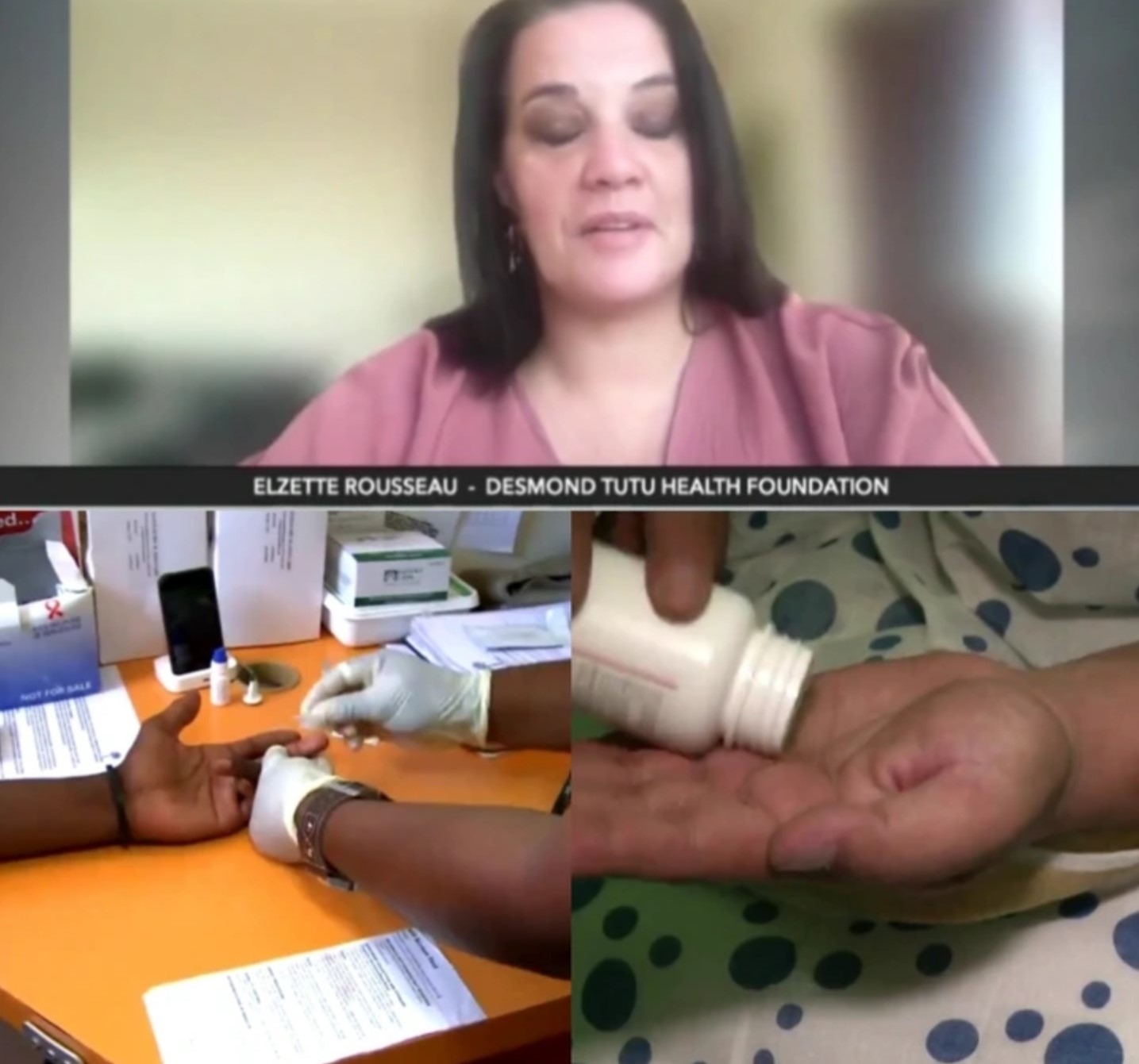
In a groundbreaking move in the fight against HIV/AIDS, a new prevention injection offering protection for up to two months has been launched as part of a pilot project in South Africa. This initiative marks a significant step forward in the ongoing efforts to combat the spread of the virus, particularly in regions heavily affected by the epidemic.
Developed by a team of researchers led by Elzette Rousseau, the injection represents a breakthrough in HIV prevention methods. Unlike traditional methods such as daily oral pills, this injection provides an extended period of protection, offering a more convenient and user-friendly option for individuals at risk of contracting HIV.
Speaking about the project, researcher Elzette Rousseau emphasized the importance of making HIV prevention strategies more accessible and adaptable to the lives of young people. Recognizing the challenges of adherence to daily pill regimens, Rousseau highlighted the need for innovative solutions that fit seamlessly into individuals’ lifestyles, particularly among the youth demographic who may face barriers to consistent preventive measures.
The introduction of this new injection comes at a critical time in South Africa’s fight against HIV/AIDS. Despite significant progress in recent years, the country continues to grapple with high rates of infection, particularly among young people and vulnerable populations. Addressing these challenges requires a multifaceted approach that includes not only treatment and care but also effective prevention strategies that empower individuals to protect themselves from HIV transmission.
The pilot project, which is being rolled out in select regions of South Africa, aims to assess the feasibility and effectiveness of the new injection as a scalable prevention option. By evaluating factors such as uptake, adherence, and impact on HIV transmission rates, researchers hope to gather valuable insights that will inform future implementation strategies and policy decisions.
Key stakeholders, including government agencies, healthcare providers, and community organizations, have expressed optimism about the potential impact of the new injection on HIV prevention efforts. Dr. Thabo Molefe, a public health expert involved in the project, emphasized the importance of expanding access to innovative prevention methods to reach populations most at risk.
However, despite the promising prospects of the new injection, challenges remain in ensuring equitable access and addressing barriers to implementation. Issues such as cost, distribution logistics, and cultural considerations must be carefully navigated to ensure that the intervention reaches those who need it most.
In addition to its potential role in primary prevention, the new injection also holds promise as part of comprehensive HIV prevention strategies, including combination approaches that incorporate condoms, testing, and treatment. By offering individuals a range of prevention options tailored to their needs and preferences, researchers aim to maximize the impact of HIV prevention efforts and reduce the overall burden of the epidemic.
Looking ahead, proponents of the new injection are hopeful that it will pave the way for a future where HIV transmission is significantly reduced, and ultimately, eliminated. Achieving this ambitious goal will require sustained investment, collaboration, and commitment from all sectors of society, but the introduction of innovative prevention tools such as the two-month injection represents a significant step forward in this ongoing journey.
As the pilot project progresses and additional research is conducted, the hope is that the new injection will emerge as a game-changer in the global fight against HIV/AIDS, offering renewed hope for a world free from the burden of this devastating disease.