
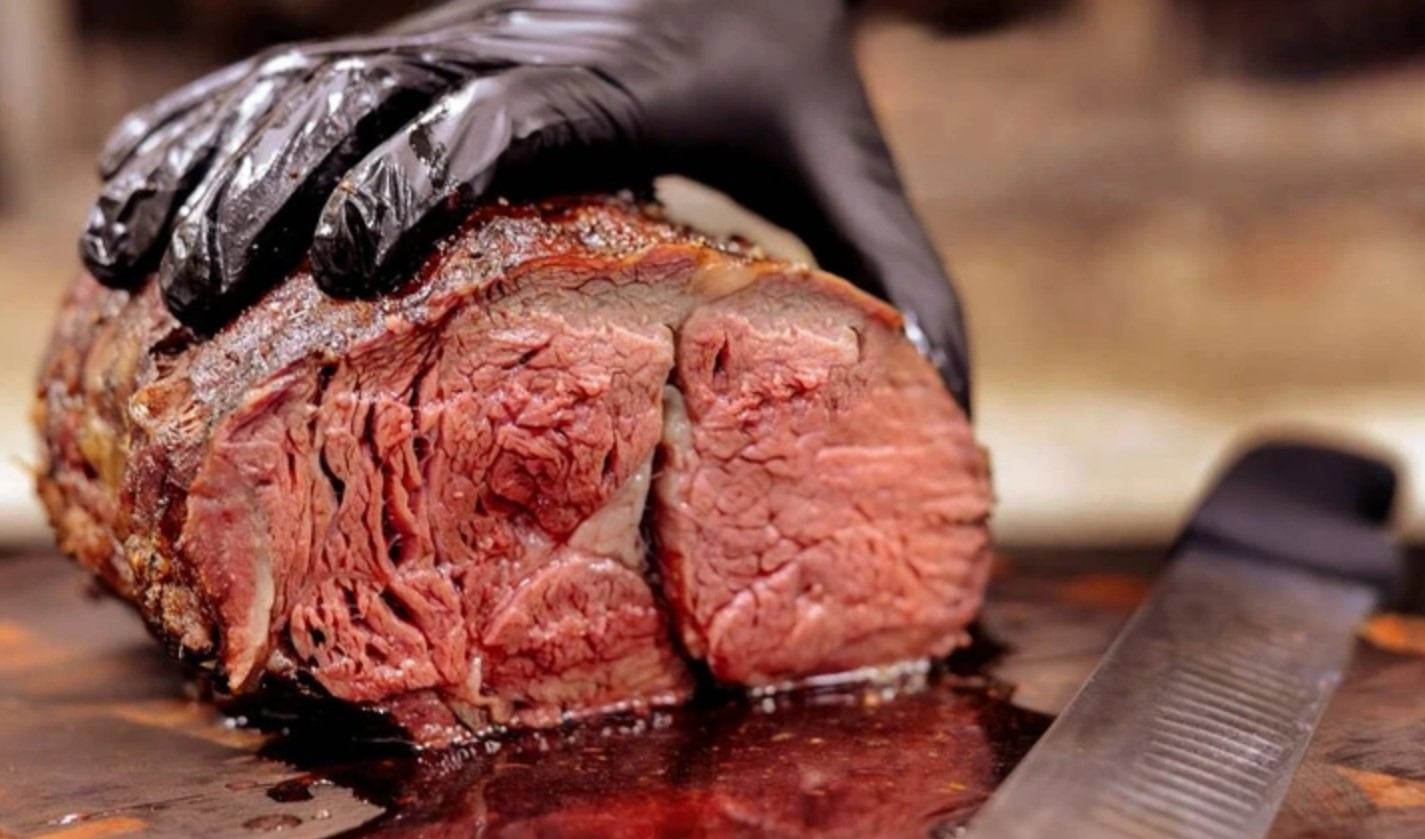
If you eat your steak rare, you might have noticed some red juices. Well, you might be surprised to hear it’s not what you think.
Are you a fan of eating your steak rare, and have you ever questioned what the red juices that come from it really are?
Meat lovers have various ways they enjoy their steaks – from well done to medium rare. If you love a rare steak, you may have noticed the red juices it produces.
A rare steak can be beneficial for health, providing your body with a burst of iron and phosphorus, both great in combating fatigue. Eaten in moderation, the iron can enhance the oxygen levels in your blood while phosphorus strengthens your bones.
Many people speculate whether this is blood, but prepare yourself for an intriguing surprise.
But if the sight of the “bloody” liquid was causing you any concern, there’s some good news – it’s not blood at all. Blood is removed during the slaughter process and very little remains in the muscle tissue afterwards.
The red substance you see is essentially water blended with a protein known as myoglobin, which can take on a pinkish shade. Interestingly, it’s this myoglobin that sets red meat apart from white meat.
Be aware though, as consuming steak cooked medium well or well done has been associated with high blood pressure.
Interestingly, it’s this myoglobin that sets red meat apart from white meat.
The higher the count of myoglobin cells, the redder the meat will naturally be. Most mammals, having high amounts of myoglobin, are classified as red meat.
In contrast, animals like poultry or seafood, with low levels of myoglobin, are categorised as white meat.