
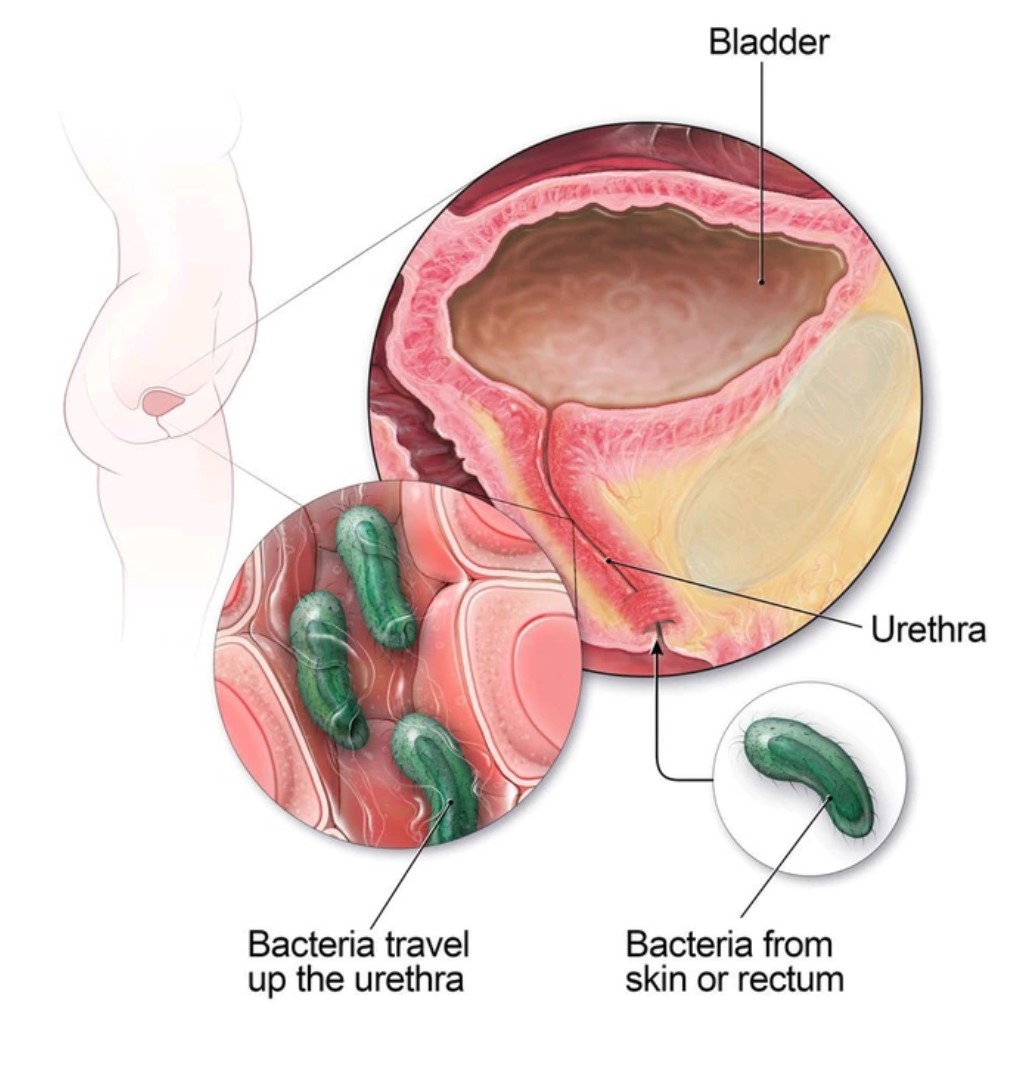
Urinary Tract Infections (UTIs) are a common health problem that mainly affects women. They occur when bacteria enter the urinary tract and multiply, leading to symptoms. In this article, we will explore the causes of UTIs in women along with prevention strategies and effective treatments.
Causes of UTIs in Women:
1. **Bacterial Entry:** The most common cause of UTIs is the entry of bacteria into the urinary tract. The bacteria most often responsible for UTIs is Escherichia coli (E. coli), which normally resides in the intestines but can find its way into the urethra and bladder.
2. **Urethral Length:** Women have a shorter urethra compared to men, making it easier for bacteria to reach the bladder. This anatomical difference increases the susceptibility of women to UTIs.
3. **Hormonal Changes:** Hormonal fluctuations, such as those occurring during pregnancy or menopause, can alter the pH balance of the urinary tract, making it more favorable for bacterial growth.
4. **Urinary Retention:** Incomplete emptying of the bladder can leave stagnant urine, which can encourage bacterial growth. Conditions such as urinary incontinence or urinary obstruction can contribute to this.
5. **Diaphragm or Spermicide Use:** Some types of contraception, such as diaphragms or spermicides, can increase the risk of UTIs by altering the normal balance of bacteria in the vagina.
Prevention of UTIs in Women:
1. **Hydration:** Staying well-hydrated helps flush bacteria out of the urinary tract. Aim to drink plenty of water throughout the day.
2. **Good Hygiene:** Always wipe from front to back after using the bathroom to prevent the spread of bacteria from the anal area to the urethra.
3. **Cranberry Products:** Some studies suggest that cranberry juice or supplements may help prevent UTIs by preventing bacteria from adhering to the urinary tract walls. However, this should not be used as the sole method of prevention.
4. **Avoid Irritants:** If you are prone to UTIs, consider avoiding products that can irritate the urinary tract, such as certain feminine hygiene products, scented soaps, or douches.
5. **Empty Bladder Regularly:** Don’t hold in urine for long periods, as this can contribute to UTIs. Make sure to empty your bladder completely when you urinate.
Treatment of UTIs in Women:
1. **Antibiotics:** UTIs are usually treated with a course of antibiotics prescribed by a healthcare provider. It’s important to complete the entire course, even if symptoms improve before finishing the antibiotics.
2. **Pain Relief:** Over-the-counter pain relievers like ibuprofen can help alleviate the pain associated with UTIs.
3. **Rest and Hydration:** Getting plenty of rest and staying hydrated can support your body’s natural healing process.
Conclusion:
Urinary Tract Infections are a common subject for women, but there are steps you can take to prevent and treat them effectively. Maintaining good hygiene, staying hydrated, and seeking prompt medical treatment when needed can help reduce the frequency and severity of UTIs. If you experience recurrent UTIs or severe symptoms, consult a healthcare provider for a proper diagnosis and treatment plan.