
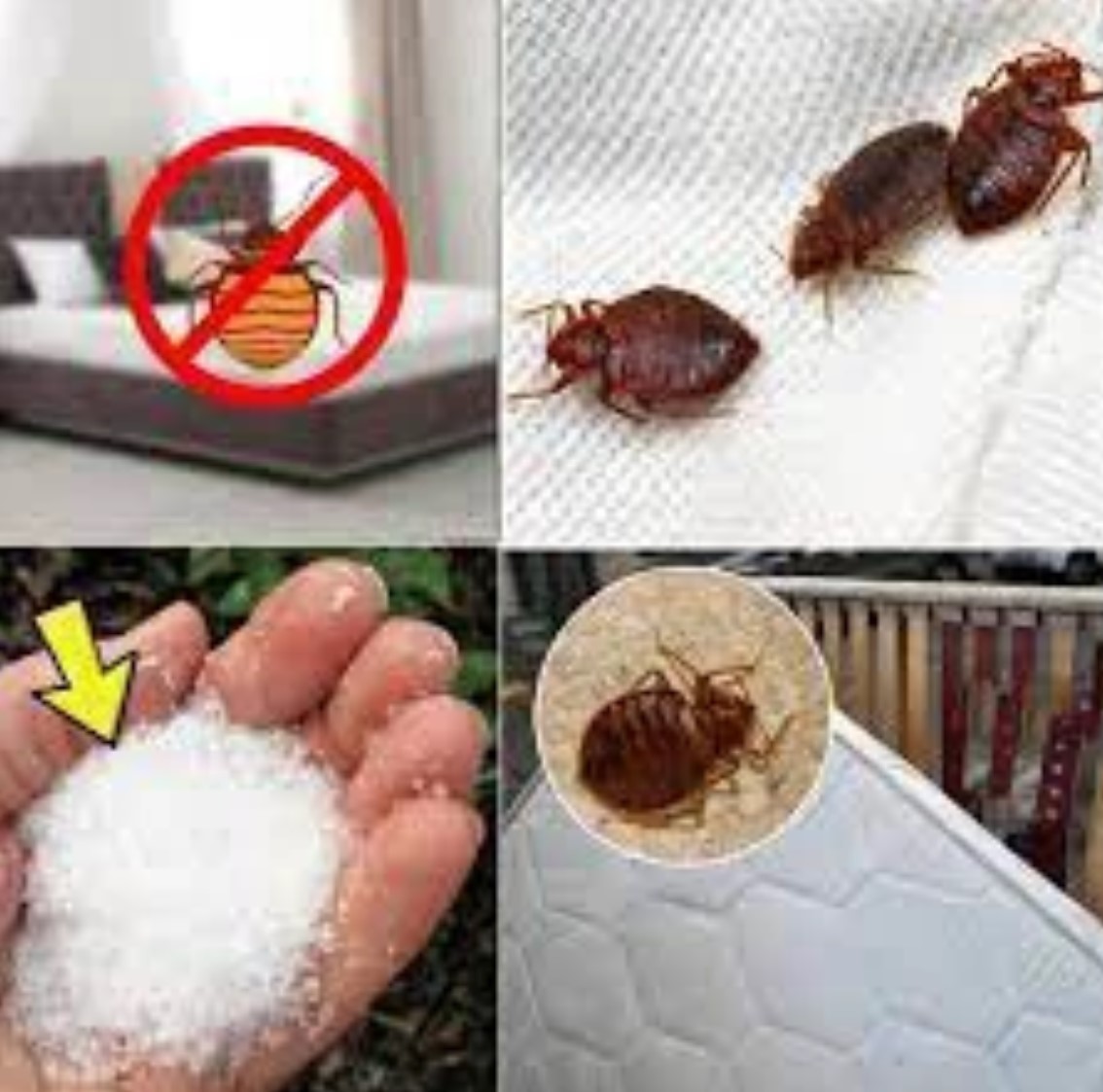
Identify all infested areas
Bedbugs are a common pest that can be difficult to detect and treat. They can be found in various areas such as mattress seams, couch cushions, furniture joints, electrical outlets, loose wallpaper, and wall seams. To identify bedbugs, you can search for them yourself or hire a professional to conduct an inspection. Bedbugs have small, narrow bodies that can squeeze into tiny spots, such as mattress seams and curtains. They can also be found near mattress tags, cracks in bed frames, and in furniture joints. To identify bedbugs, use a flashlight and magnifying glass to examine these areas. Signs of bedbugs include reddish, 1/4-inch-long live bedbugs, dark spots, crushed reddish stains on mattresses, and small yellow eggs, shells, and skins. If you find a bedbug, seal it in a sealed jar with rubbing alcohol. If you’re unsure of the type of bug, bring it to an exterminator or entomologist for identification.
Contain the infestation
Bedbugs can be easily trapped using a vacuum, including in beds, dresses, carpets, and electronics. After vacuuming, seal the contents into a plastic bag and discard them. Wash linens and affected clothes in plastic bags and place them in a washer and dryer at the highest temperature. If not washed, place them in a plastic bag and leave them for a few months to ensure all bugs die. If furniture cannot be cleaned, throw it away and paint the word “bedbugs” on it to deter others from taking it home.
Prep for bedbug treatment
To effectively treat bedbugs, start by cleaning and discarding all hiding places in your home. Remove any books, magazines, or clothing on the floor and under your bed, avoiding moving items from infested rooms. Seal open areas with glue, caulk cracks in furniture, tape up electrical outlets, and move your bed at least 6 inches away from the wall to prevent bedbugs from climbing on.
Kill the bedbugs
Bedbugs can be removed without chemicals using methods such as hot water washing, drying in the dryer, using a steamer, packing infested items in black bags, freezing bags in the freezer, and making the area inhospitable with bedbug-proof covers. These methods can kill bedbugs at high temperatures, but it may take 2 to 5 months at cooler temperatures. If these methods don’t eliminate all bedbugs, an insecticide may be needed. Bedbug-proof covers over mattresses and box springs can help trap and kill trapped bugs.
Evaluate and prevent future bedbugs
Bedbugs can take time to eradicate, so it’s crucial to check infested areas every 7 days for signs of activity. Place bedbug interceptors under each leg of the bed to trap surviving bedbugs, which may need to be checked for a year. Bedbugs are hardy and may reappear, so multiple treatment methods may be necessary. If the infestation persists, consider hiring a professional exterminator.
Get the pros involved
Bedbugs can be effectively eliminated by professional pest control companies, which use chemicals and treatments that are not available to the general public. They use insecticides that kill on contact and stay inside furniture and cracks to kill bedbugs in the long term. They also use whole-room heat treatments, which heat up the room to a temperature between 135 and 145°F. Following the company’s instructions is crucial for successful bedbug control.