
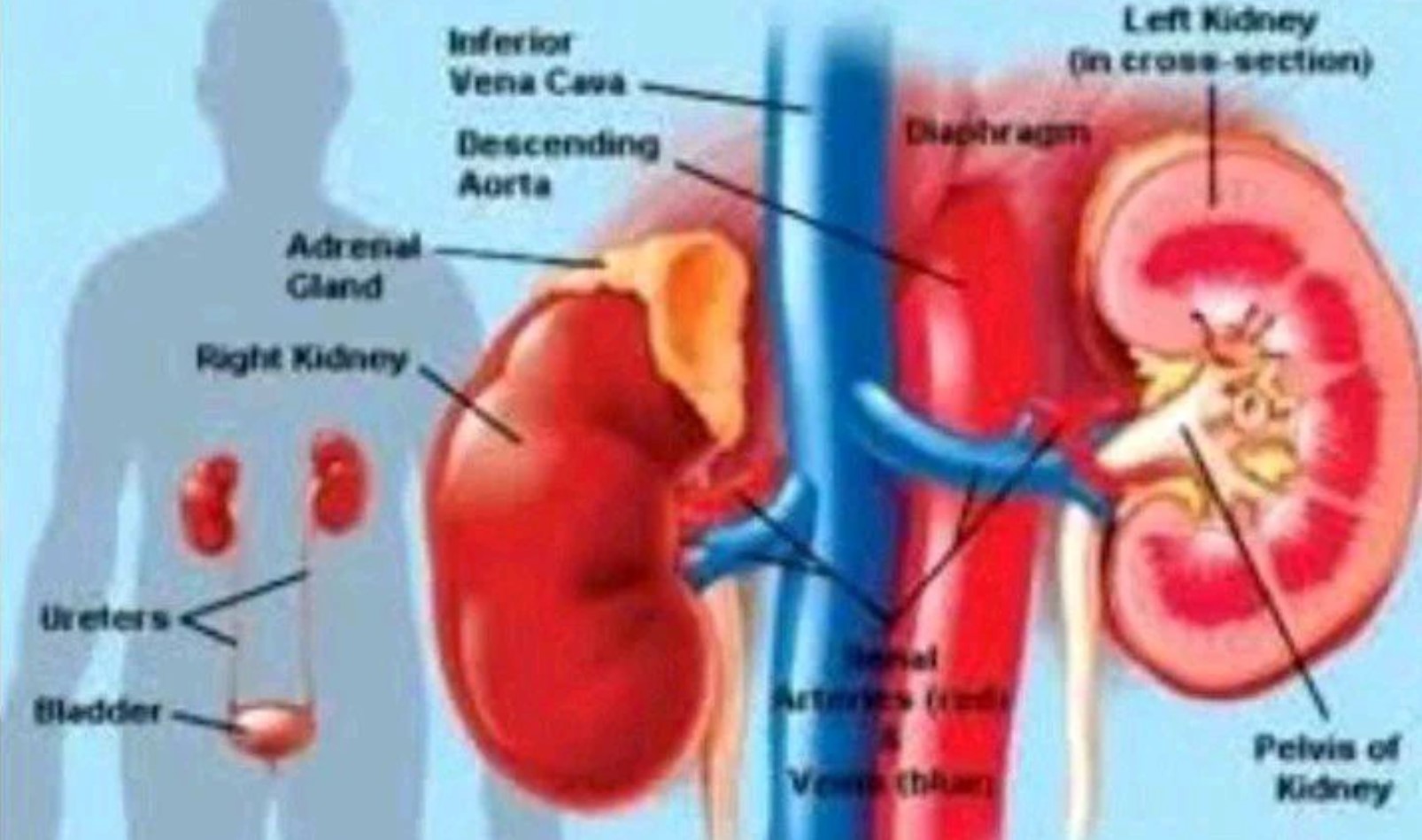
Our kidneys and liver play a vital role in filtering toxins from our blood and ensuring our bodies function properly. However, the misuse of certain drugs can overload and severely damage these vital organs. In this article, we will explore how the abuse of specific types of drugs can cause havoc on your kidneys and liver.
1. **Painkillers and Kidney Damage**
Non-prescription painkillers, especially non-steroidal anti-inflammatory drugs (NSAIDs) like ibuprofen and naproxen, are commonly abused and can cause harm to the kidneys. While these drugs are generally safe when used as directed, misuse and overuse can lead to kidney damage. Here’s why:
– Reduced Blood Flow: NSAIDs can narrow blood vessels in the kidneys, leading to a decrease in blood flow to these organs. Prolonged or excessive use can result in chronic kidney disease (CKD) or acute kidney injury (AKI).
– Toxic Buildup: When the kidneys are compromised, they may struggle to effectively filter out waste and toxins from the body, resulting in a buildup of harmful substances.
– High Blood Pressure: NSAIDs can also raise blood pressure, which is a risk factor for kidney damage. Long-term high blood pressure can contribute to kidney disease.
– Fluid Imbalance: NSAIDs can interfere with the body’s ability to regulate fluid and electrolyte balance, which is crucial for kidney function.
2. **Alcohol and Liver Damage**
Excessive alcohol consumption is one of the main causes of liver damage. The liver is responsible for processing alcohol, but consistent and excessive intake can overwhelm its ability to metabolize the substance, leading to various liver-related conditions, including:
– **Alcoholic Fatty Liver Disease:** Consuming too much alcohol can cause the accumulation of fat in the liver, known as fatty liver disease. This condition is reversible if alcohol consumption is stopped early.
– **Alcoholic Hepatitis:** Long-term alcohol abuse can result in liver inflammation, leading to alcoholic hepatitis. Symptoms can range from mild to severe and may include jaundice, stomach pain, and liver failure.
– **Cirrhosis:** Chronic alcohol abuse can lead to cirrhosis, a condition in which healthy liver tissue is replaced by scar tissue. Cirrhosis is irreversible and may ultimately result in liver failure.
– **Liver Cancer:** Those with cirrhosis are at an increased risk of developing liver cancer.
In conclusion, abusing drugs, whether over-the-counter painkillers like NSAIDs or excessive alcohol consumption, can have devastating effects on your liver and kidneys. It is crucial to use medications responsibly and in accordance with medical advice. Furthermore, alcohol should be consumed in moderation or avoided altogether to protect your liver. Remember that both the kidneys and liver have a remarkable ability to recover and regenerate, but this ability has limits. If you or someone you know is struggling with substance abuse, seek help from a healthcare professional or a support group to prevent irreparable damage to these vital organs.