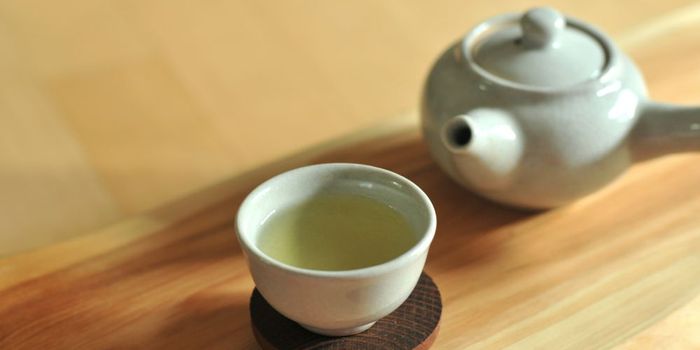
Think of a cup of infusion that combines the properties of green tea with those of blueberries, to create a unique synergy of healthy substances. This infusion exists and is obtained from the leaves of a very special green tea, purple tea or green tea with purple buds. Recently, purple tea has attracted the attention of scientists who are testing its action. Today we are talking about three very interesting scientific studies conducted on this type of green tea.
Purple tea, what is itPurple tea is, as mentioned, a type of green tea. Therefore, purple tea is also obtained from the same plant as the other varieties of green tea, Camellia sinensis, with a variant however, namely the plant has purple buds. This tea is currently grown in China, Japan and Kenya although it can be found in specialized and better-stocked shops almost everywhere. Purple tea is a concentrate of antioxidants as in its infusion we can find both the typical antioxidants of green tea, such as catechins, and in particular the epigallocatechin 3 gallate, but also anthocyanins, which are powerful antioxidants contained, for example, in blueberries, but also in black grapes, aubergines and cherries. Furthermore, this infusion contains caffeine but in significantly lower quantities than green tea and black tea.Purple tea against depressionThe first research dedicated to purple tea was published in the journal Frontiers in microbiology by a Chinese team (Jia et al, Front Microbiol, 2023). The study took place in the laboratory on a population of mice that exhibited behavior similar to depressive states in humans. Scientists have tried to understand whether the intake of purple tea can somehow alleviate or counteract depression with a synergistic action given by the union of catechins and anthocyanins, both substances useful for improving mood. What emerged is that, even at low doses, purple tea was able to counteract depressive behaviors by acting on the gut-brain axis. In particular, this tea supported the gut microbiota, promoting the proliferation of good bacteria and reducing inflammation, with benefits on mood.
Purple tea to reduce waist size and fatty liverThe second research was published in the International Journal of Biomedical Science by a Japanese team (Shimoda et al, Int J Biomed Sci, 2015). The study took place on both mice and humans, testing the anti-obesity effects of the infusion in the case of a high-fat diet. Purple tea has been shown to inhibit weight gain and the accumulation of fat in the waistline and liver. Effects on humans were observed as early as 4 weeks of drinking 200 ml of purple tea twice a day.Purple tea and diabetesThe third research was published in the Journal of Ethnopharmacology by a team from South Africa (Tolmie et al, Journal of Ethnopharmacology, 2023). The study showed that purple tea is richer than normal green tea in particular substances, called ellagitannins, which in turn inhibit two enzymes, alpha amylase and alpha glucosidase. These enzymes are responsible for the digestion of carbohydrates and contribute to raising blood sugar levels. So, purple tea is one of the best teas, even more powerful than green tea, when it comes to reducing the risk of high blood sugar and type 2 diabetes.
ConclusionsPurple tea combines the properties of green tea and those of blueberries, has a particular protective action on the brain and mood, helps keep body weight, abdominal fat, liver steatosis and blood sugar under control. You can find purple tea in the best specialty shops. And if it isn’t easy to find, don’t miss out on berries and green tea. In fact, drinking green tea is also good for your mood. Studies have shown that drinking at least 3 cups of green tea a day reduces the risk of depression by 21%.