
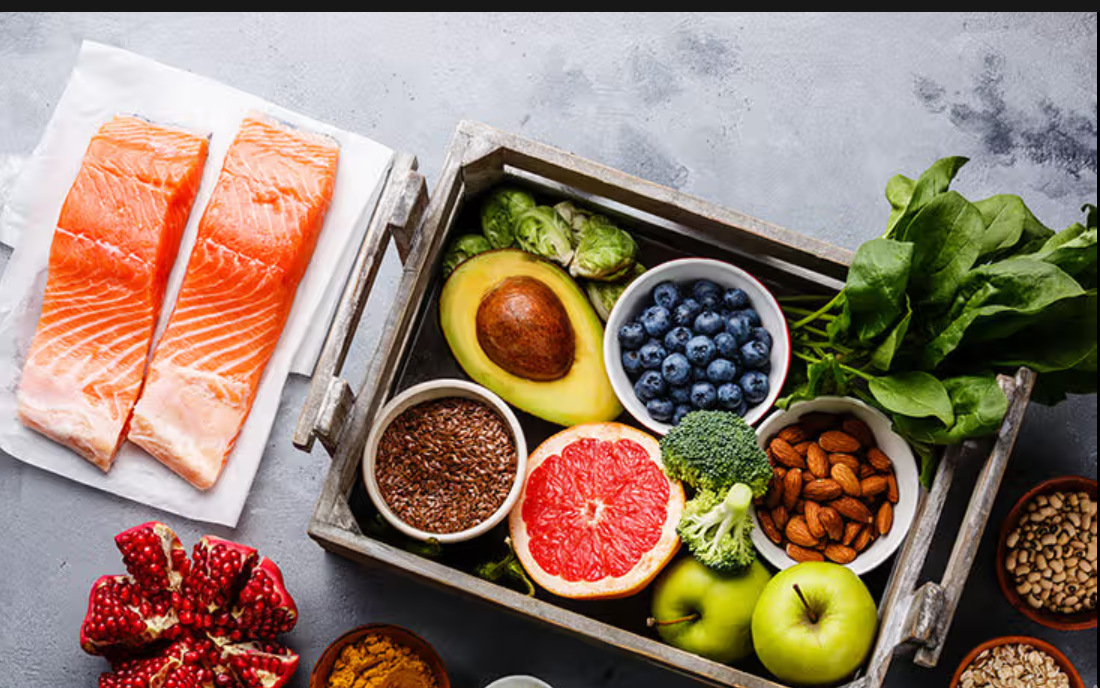
One of the most important nutrients for the body is vitamin D, commonly known as calciferol, which is found in a few meals. It is necessary to keep teeth and bones in good condition. It is essential for controlling the body’s immune system and inflammation. A study by BMC Public Health reported that approximately 1 billion people around the globe are affected with Vitamin D deficiency along with around 50 per cent of the global population suffering from Vitamin D insufficiency. There are many meals high in vitamin D that can assist the body overcome its vitamin D deficiency. Check out the list of foods high in vitamin D that you should incorporate into your daily diet below.
Best Sources Of Vitamin D
Eggs Yolks
In addition to being a great source of nutrition, egg yolks are also good for the body since they include lipids, vitamins, and minerals. One big egg’s yolk has about 37 IU of vitamin D, making eggs a practical way to obtain the vitamin. For a healthy physique, they can be utilised for breakfast, lunch, and dinner.
Fortified Milk
One of the finest foods in the American diet for vitamin D is milk. Milk provides about half of the vitamin D consumed by Americans. A normal serving of fortified milk has 3 mg of vitamin D.
Mushrooms
Since mushrooms are the only non-animal food item that contains significant levels of vitamin D, vegans should use them as their main source of nutrients. When mushrooms are exposed to sunlight, they produce vitamin D.
Orange Juice
Orange juice contains vitamin D and other elements that are good for your health, but there are no natural sources of this vitamin. Consuming freshly squeezed orange juice from home will provide you with the required dosage of Vitamin D.
Fish
Fish is a good source of essential minerals for the body, including iron, zinc, calcium, iodine, and omega-3 acids. Fish eating raises 25(OH)D concentrations as the main dietary source of vitamin D, yet recommended fish intakes cannot maximise vitamin D status, according to the American Journal of Clinical Nutrition.