
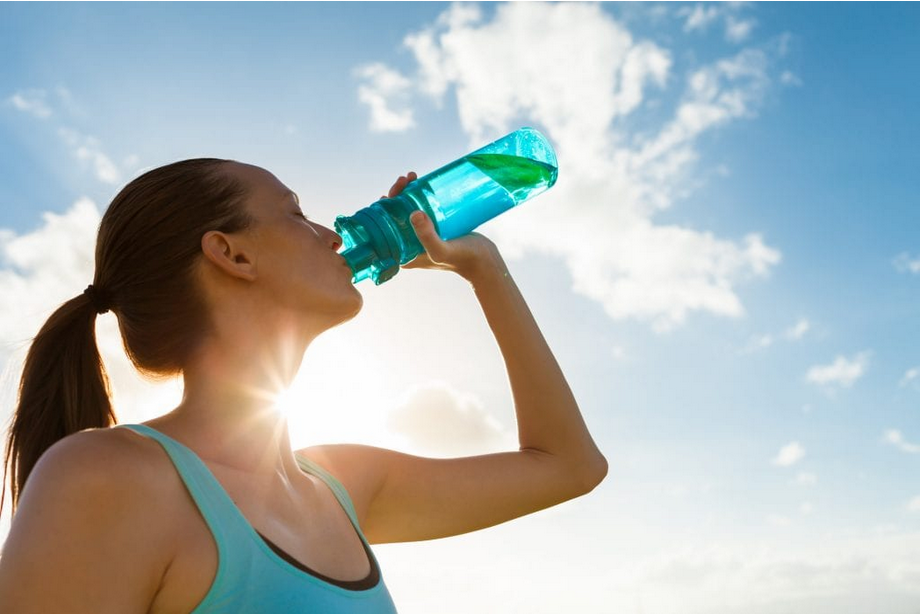
Water makes up 60% of the human body and is needed to help maintain a healthy weight, flush toxins from the body, and produce bodily fluids like saliva. Water also contributes to regular bowel function, optimal muscle performance, and clear, youthful-looking skin. However, failing to drink enough water can cause dehydration and adverse symptoms, including fatigue, headache, weakened immunity, and dry skin. Here are signs that you’re not drinking enough water;
Sugar Cravings
Dehydration interferes with the body’s ability to reach into glucose stores for energy and can trigger cravings for foods high in sugar and carbohydrates. Unusual and sudden cravings for sugary foods like chocolate, donuts, cookies, and candies may indicate that your body is in great need of water—not food. If you’re experiencing sugar cravings or hunger pangs even though you’ve recently eaten, try drinking more water to rehydrate your body and keep cravings at bay.
Fatigue
Not drinking enough water can cause an overall fluid loss in the body. This fluid loss can lead to a decrease in blood volume that puts excess pressure on the heart to deliver oxygen and nutrients to the organs, including the muscles. Lack of water can cause you to experience periods of fatigue and low energy as your body tries to function without enough water. If you’re constantly feeling sluggish and tired despite getting a quality night’s sleep, you may need to boost your water intake.
Constipation
Water promotes good digestion and regular bowel movements by keeping your stool soft and moving it easily through the digestive tract. Not drinking enough water can cause your body to pull water from stool to compensate for fluid loss, leading to harder and firmer stool that is more difficult to pass. If your bowel movements are irregular and infrequent, try drinking more water to loosen your stools and relieve constipation and bloating.
Persistent Bad Breath
Water is essential for saliva production and helps rinse away bacteria so you can maintain healthy teeth and gums. Lack of water inhibits saliva production and causes bacteria to build up on the tongue, teeth, and gums, contributing to bad breath. If you practice good oral hygiene, yet continue suffering from chronic bad breath, it’s possible you may not be drinking enough water.