
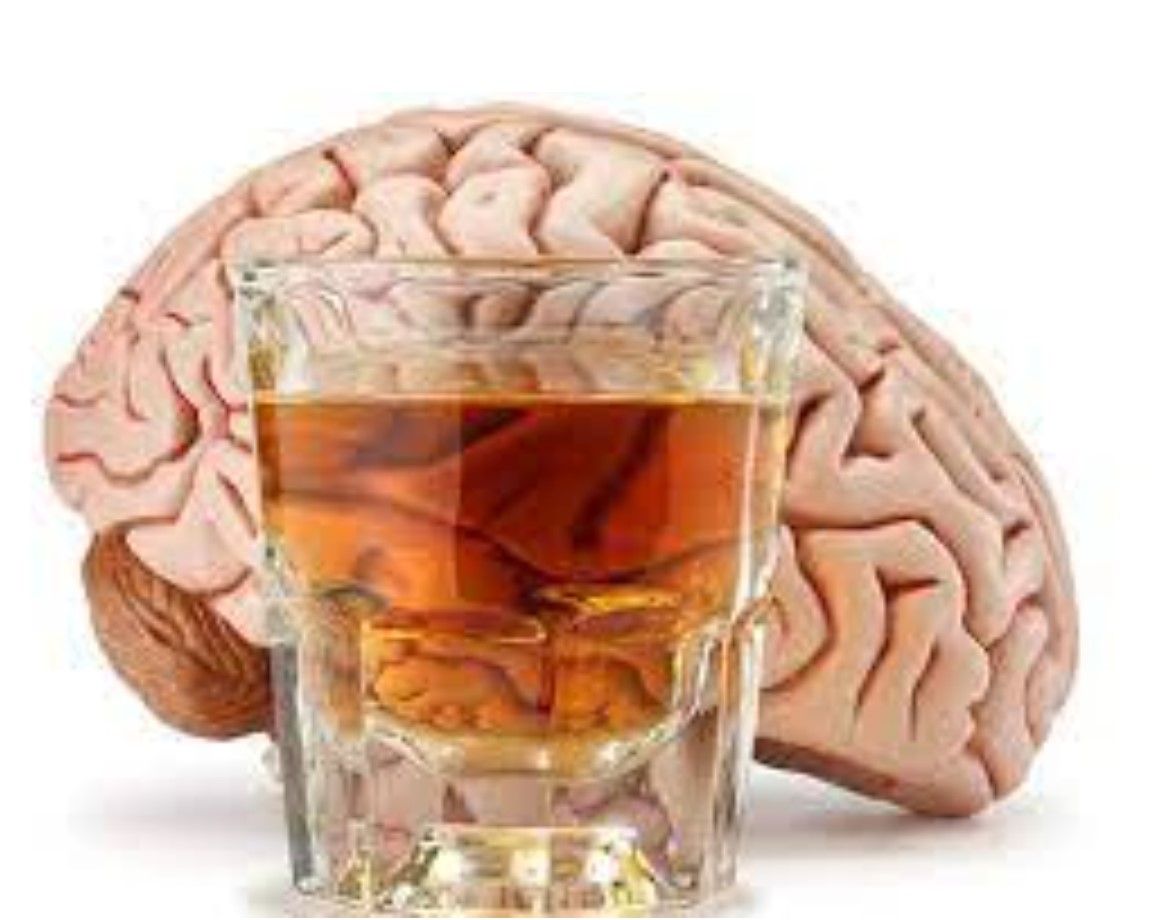
Alcohol is an organic sedative product of the hydroxyl functional group of carbon atoms that have dependence-producing properties.
Alcohol has been known to lead to impaired judgment of its consumers but how does this happen? In this particular article, we are going to see how alcohol affects different functions of our bodies through our brains.
Research conducted by WHO reveals that alcohol consumption is a major concern as 3 million deaths are reported every year as a result of the harmful use of alcohol . This represents 5.3% of all deaths
There are several parts of the brain affected by alcohol which leads to what we call ‘tipsy’ behaviors.
1. Cerebellum- This is a part of the brain responsible for the balance of the whole body. When you take alcohol it interferes with this part causing someone to stagger and lose balance as it interferes with the communication pathways between the brain and body nerves.
2. The cerebral cortex is the part of the brain responsible for consciousness and processing of thoughts. Alcohol intake slows down the processing of information and hinders thought processing making someone not see clearly as what he sees is not transmitted to the brain nor is it processed.
3. Medulla- This is the part of the brain responsible for the involuntary processes like breathing, consciousness, and body temperature. Alcohol causes sleepiness as it is a sedative, slows breathing rate, and may lower body temperature which is harmful to your health.
4. Hippocampus -This is the part of the brain responsible for memory storage . Alcohol makes this part hyperactive such that even after one has quit drinking alcohol he/she might drink again after seeing a bottle of whiskey or vodka for example. The memories stored here are responsible for craving conditioned responses to stimuli.
Alcohol causes the release of dopamine( ‘feel good ‘neurotransmitter)to an excess and makes us think we are feeling good and unknowingly we drink more to feel better leading to addiction. As the intake of alcohol increases it alters the brain chemicals which may reduce the production of dopamine and lead to an individual being overwhelmed and depressed due to sudden fluctuation in moods.