
Ever Seen This Plant Near Your Home? Here Is Why You Should Never Destroy It Again
As we attempt to create welcoming and nurturing areas in our homes, it is crucial to not forget the function of nature in our everyday lives. One first-rate plant that could decorate the environment of your property while providing numerous fitness advantages is Leonotis Leonurus typically referred to as Wild Dagga or Lion\’s Tail. This captivating herbaceous plant, local to South Africa, is gaining a reputation internationally for its particular traits and cap potential tremendous influences on our well-being.
**1. Aesthetic Beauty:**
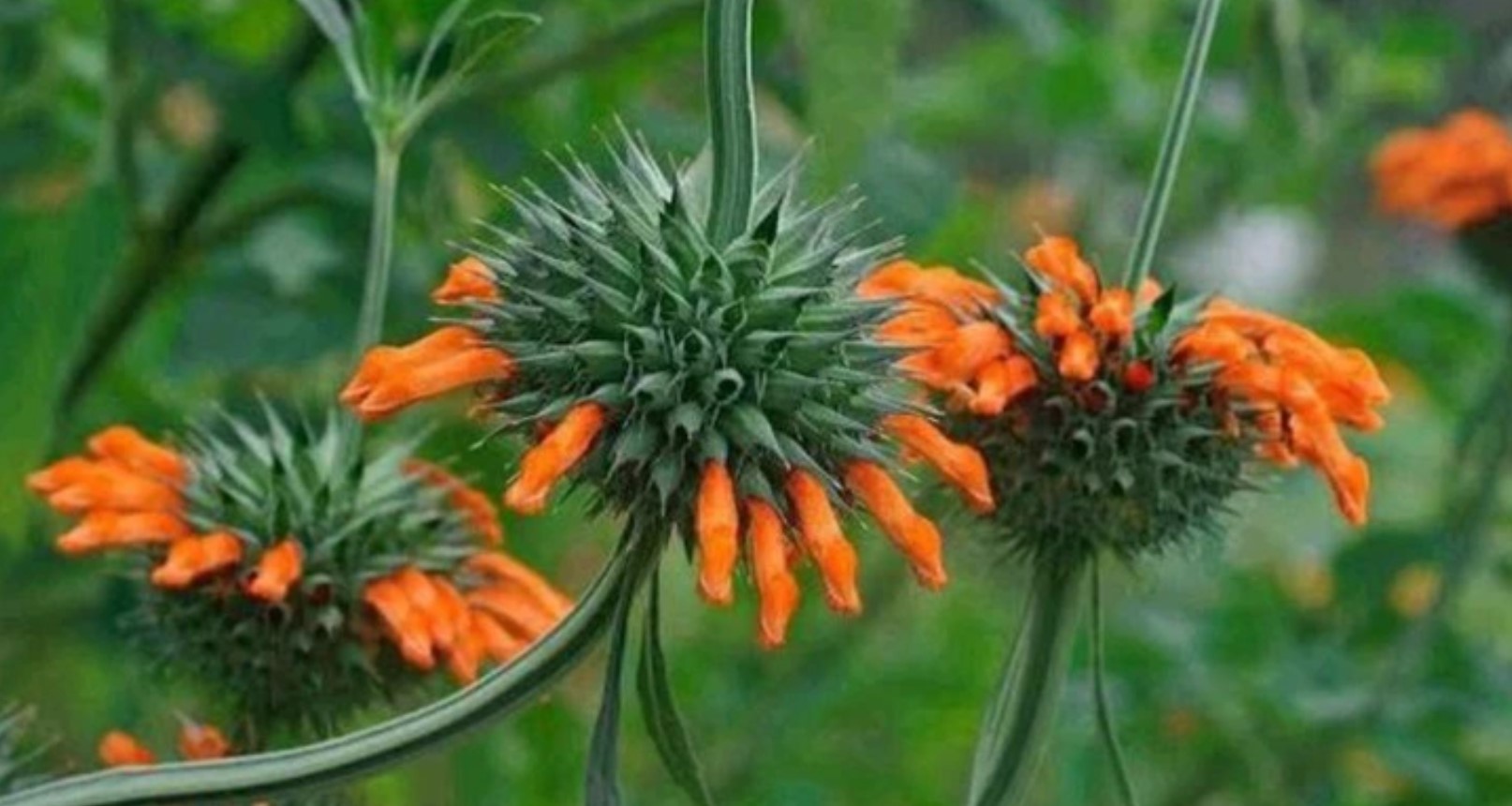
Leonotis Leonurus is famous for its hanging look. With its tall stalks protected in colorful, reddish-orange tubular plant life, this plant provides a hint of herbal beauty to any indoor or outside setting. Its wonderful look can right away rework your property right into a visually attractive and welcoming space.
**2. Stress Reduction:**
Incorporating Leonotis Leonurus into your property could have a chilled impact on your senses. The soothing sight of its colorful blooms and the mild rustling of its leaves inside the breeze can assist in lessening strain and tension levels. Having a chunk of the natural interior offers a serene getaway from the needs of everyday life.
**3. Improved Air Quality:**
Like many different flowers,” Leonotis Leonurus ”
contributes to higher indoor air quality. It absorbs carbon dioxide and releases oxygen, developing more fit surroundings for you and your cherished ones. This herbal air cleanser may be particularly useful in regions with restricted ventilation.
**4. Herbal Remedy:**
For centuries, indigenous groups in South Africa have used Leonotis Leonurus for its medicinal properties. The leaves and plant life of this plant incorporate compounds that might be believed to have anti-inflammatory and analgesic effects. While it is crucial to seek advice from a healthcare expert earlier than the usage of it as a remedy, having this plant on your property may be a treasured addition to your well-being toolkit.
**5. Connection to Nature:**
In our fast-paced, city lives, it is clean to lose contact with the herbal world. Having Leonotis Leonurus on your property serves as a daily reminder of the splendor and quietness that nature offers. It can re-light your connection to the surroundings and inspire mindfulness.
**6. Wildlife Attraction:**
If you\’ve got an out-of-door lawn or a balcony, Leonotis Leonurus can entice pollinators like bees and butterflies, contributing to the neighborhood ecosystem\’s biodiversity. Observing those captivating creatures may be a pleasing enjoy for you and your family.
**7. Low Maintenance:**
One of the first-rate components of Leonotis Leonurus is its resilience and occasional upkeep requirements. It can thrive in diverse conditions, which include slight daylight and well-tired soil. Its hardiness makes it an extraordinary preference for each skilled and beginner gardener.
**8. Sustainable Gardening:**
By developing Leonotis Leonurus at home, you actively take part in sustainable gardening. Reducing the want to reduce plant life and cultivating local flowers like Wild Dagga can assist in preserving neighborhood flowers and fauna.
In conclusion, Leonotis Leonurus, with its aesthetic appeal, potential fitness advantages, and potential to reconnect us with nature, maybe a lovely addition to your property. As you nurture this hanging plant, it, in turn, nurtures your well-being and enriches the environment of your dwelling space. So, don’t forget to welcome the warm temperature and well-being of Leonotis Leonurus into your property today!
“Lion’s Tail” is a no longer unusual place name for Leonotis leonurus, a flowering plant neighborhood in southern Africa. It is also recognized through the manner of way of various names, such as Wild Dagga or Lion’s Ear. This plant is frequently cultivated in gardens and is a concept for its setting look, with colorful orange or white tubular flora prepared in dense whorls along tall stems. Here are the reasons why you need to never destroy it again.
Medicinal Uses: Lion’s Tail has been traditionally applied in some African cultures for its medicinal properties. It is a concept to has various ability health advantages, which encompass its use as a remedy for respiratory issues such as coughs, colds, and bronchitis. Some cultures use it as a mild sedative and to relieve anxiety and strain. However, it’s important to seek recommendations from an authorized herbalist or healthcare professional in advance of the usage of any plant for medicinal purposes.
Attracts Pollinators: The colorful tubular flora of Lion’s Tail are attractive to pollinators, which encompass bees, butterflies, and hummingbirds. By planting Lion’s Tail in your garden, you can create pollinator-fine surroundings, assisting to resource community biodiversity and environmental health. Pollinators play a crucial feature in plant duplication and the overall health of ecosystems, making this plant beneficial for promoting a thriving garden environment.
Ornamental Value: Lion’s Tail is an attention-grabbing plant with setting orange or white flora and tall, dense stems. It offers a totally particular and unusual touch to gardens and landscapes, making it a well-known ornamental plant in masses of regions. Its drought tolerance and occasional-protection nature moreover make it a suitable desire for arid or semi-arid landscapes, wherein it could provide seen interest even in difficult growing conditions.