
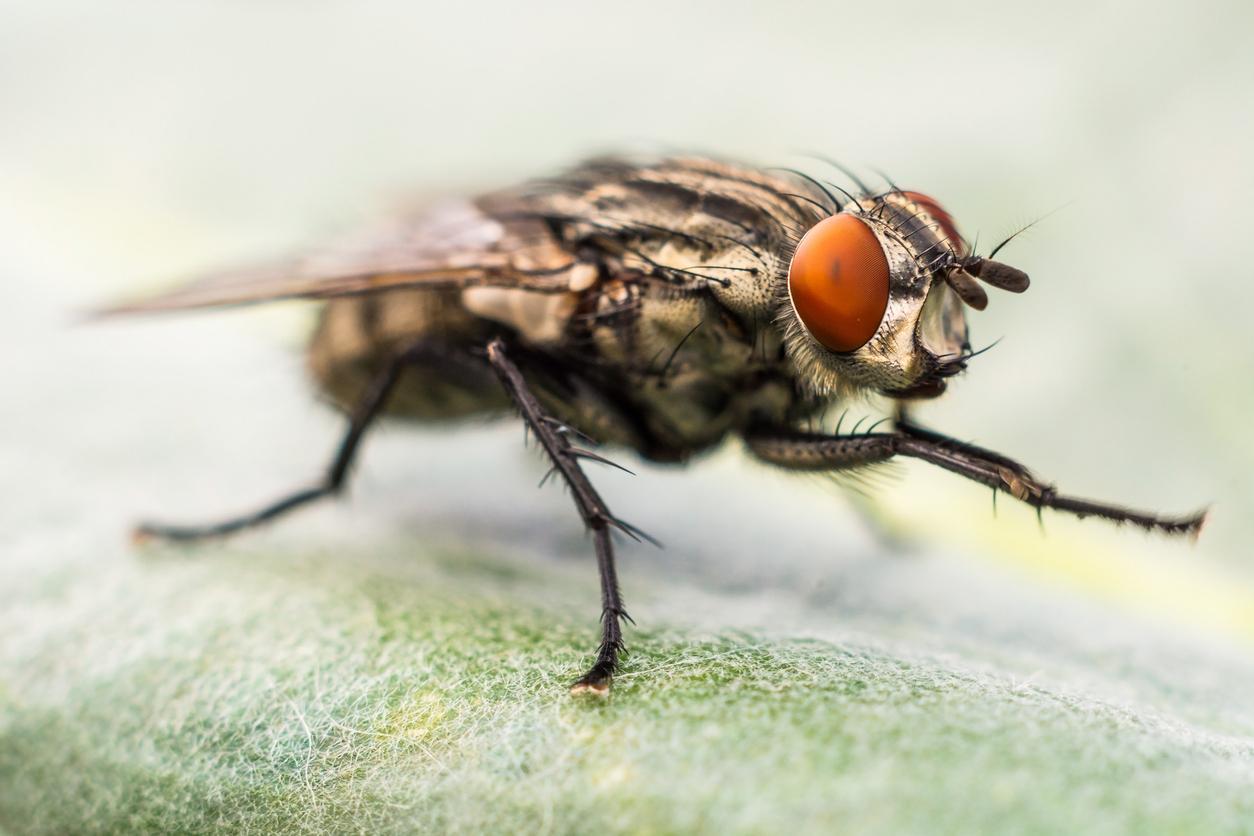
Have you ever noticed that flies rub their legs together? It may seem like an insignificant behavior, but there is actually a reason behind it. In this article, we will explore the fascinating world of flies and uncover the purpose behind this peculiar behavior.
1. Cleaning and Grooming:
Flies are, without a doubt, nature’s sanitation workers. These insects are constantly exposed to various environmental contaminants, including dirt, dust, pollen, and other microscopic particles. Their legs, being in frequent contact with different surfaces, can accumulate a considerable amount of debris and microbes over time. To maintain their hygiene, flies resort to leg-rubbing as part of their grooming routine. Flies possess specialized structures on their legs known as setae, which are tiny, hair-like projections. These setae are equipped with sensitive chemoreceptors that help flies detect and remove foreign substances from their bodies.
When a fly rubs its legs together, it serves a dual purpose: first, it dislodges dirt and microorganisms, ensuring that its sensory organs remain unobstructed; second, it redistributes a waxy substance produced by specialized glands on their legs, enhancing their waterproofing and preventing desiccation. This grooming behavior is essential for maintaining their ability to navigate and locate food sources. It also aids in preventing infections and preserving their overall health.
2. Tasting and Sampling:
Flies rely heavily on their sense of taste to locate suitable food sources. The chemoreceptors on their legs not only help with cleaning but also serve as taste receptors. When flies rub their legs together, they may be engaging in a critical form of sampling, akin to a culinary connoisseur evaluating a dish. Imagine a fly landing on a piece of fruit. By rubbing its legs on the fruit’s surface, the fly can taste any sugar or other organic compounds present. This action allows them to assess whether a particular area contains potential food or organic matter that they can feed on. This behavior is vital for their survival, as it helps them locate the nutrients they need to thrive. It also plays a role in the transmission of diseases, as flies can inadvertently pick up pathogens from contaminated surfaces.
3. Communication:
Flies are not solitary creatures; they often interact with other flies, especially during mating and territorial disputes. Rubbing their legs together can also serve as a form of communication. Flies can produce vibrations by rapidly moving their legs, creating specific patterns and frequencies that other flies can detect. In the context of mating, male flies may use leg-rubbing as part of their courtship ritual. The vibrations produced during this behavior can signal their readiness to mate or establish their presence to potential partners. In some cases, it may serve as a way to deter rival males from approaching a receptive female. For flies, communication is not solely about the exchange of auditory signals or pheromones; it extends to the realm of physical vibrations and tactile interactions.
4. Thermoregulation:
Flies are ectothermic organisms, meaning they rely on external sources of heat to regulate their body temperature. In colder environments, their metabolic processes slow down, affecting their ability to fly and find food. Conversely, in excessively hot conditions, they risk overheating and desiccation. To address these challenges, flies employ a clever strategy: leg-rubbing. By rapidly moving their legs, they generate friction and, subsequently, heat. This behavior allows them to raise their body temperature when they are in colder environments or lower it when they are too hot. Imagine a fly basking in the morning sun, rubbing its legs together to kickstart its metabolic engine. This process helps them maintain an optimal body temperature, ensuring they remain active and capable of foraging for food.
5. Preparing for Flight:
Before taking flight, flies often engage in a series of preparatory behaviors, one of which is leg rubbing. This action may help them warm up their flight muscles and prepare their bodies for takeoff. Flies have powerful flight muscles that require a certain level of warmth and flexibility to function efficiently. When you observe a fly rubbing its legs together before taking flight, it’s akin to a warm-up routine for an athlete. By generating heat and increasing muscle flexibility, flies can achieve better control and precision during their flights, whether it’s for evading predators or seeking food.
6. Pheromone Distribution:
Flies, like many insects, rely on chemical signals called pheromones to communicate with one another. These pheromones can convey information about food sources, mating readiness, and territorial boundaries. When flies rub their legs together, they may inadvertently release trace amounts of these chemicals. This unintentional release of pheromones can potentially influence the behavior of other flies in the vicinity. For instance, it might attract mates or signal the presence of a promising food source. While pheromone distribution through leg rubbing is not a primary mechanism for communication, it remains an intriguing possibility in the world of fly behavior.
7. Sensory Enhancement:
Flies are equipped with an array of sensory organs, including antennae, eyes, and specialized hairs (setae) on their bodies and legs. By rubbing their legs together, they may stimulate these sensory structures, enhancing their perception of the surrounding environment. Imagine a fly exploring a new environment or searching for food. As it encounters various surfaces and substances, leg rubbing could help amplify the sensory input it receives. This heightened sensory awareness allows flies to make split-second decisions, such as detecting potential threats or identifying suitable food.
In essence, leg rubbing might serve as a means of sensory calibration, fine-tuning a fly’s ability to navigate and interact with its surroundings. While the exact mechanisms and motivations behind leg rubbing in flies continue to be subjects of scientific investigation, these additional points shed light on the complexity of their behavior. Flies, despite their diminutive size, engage in a variety of activities that contribute to their survival, reproduction, and adaptation to diverse environments. In essence, the act of leg rubbing exemplifies nature’s ingenious solutions to the challenges faced by these resilient insects. Whether it’s for hygiene, communication, thermoregulation, or sensory enhancement, flies have developed a repertoire of behaviors that highlight their remarkable adaptability in the natural world.
The seemingly mundane act of flies rubbing their legs together serves several essential purposes in their daily lives. From cleaning and grooming to tasting, communicating, thermoregulating, and preparing for flight, this behavior is an integral part of their survival and reproductive strategies. While flies may continue to be unwelcome guests in our homes, understanding their behaviors can help us appreciate the fascinating world of these tiny yet remarkably adaptable insects.
Next time you spot a fly rubbing its legs together, take a moment to marvel at the intricate and multifaceted nature of this seemingly simple action. Flies, it turns out, have a lot more going on beneath the surface than we might have imagined.