
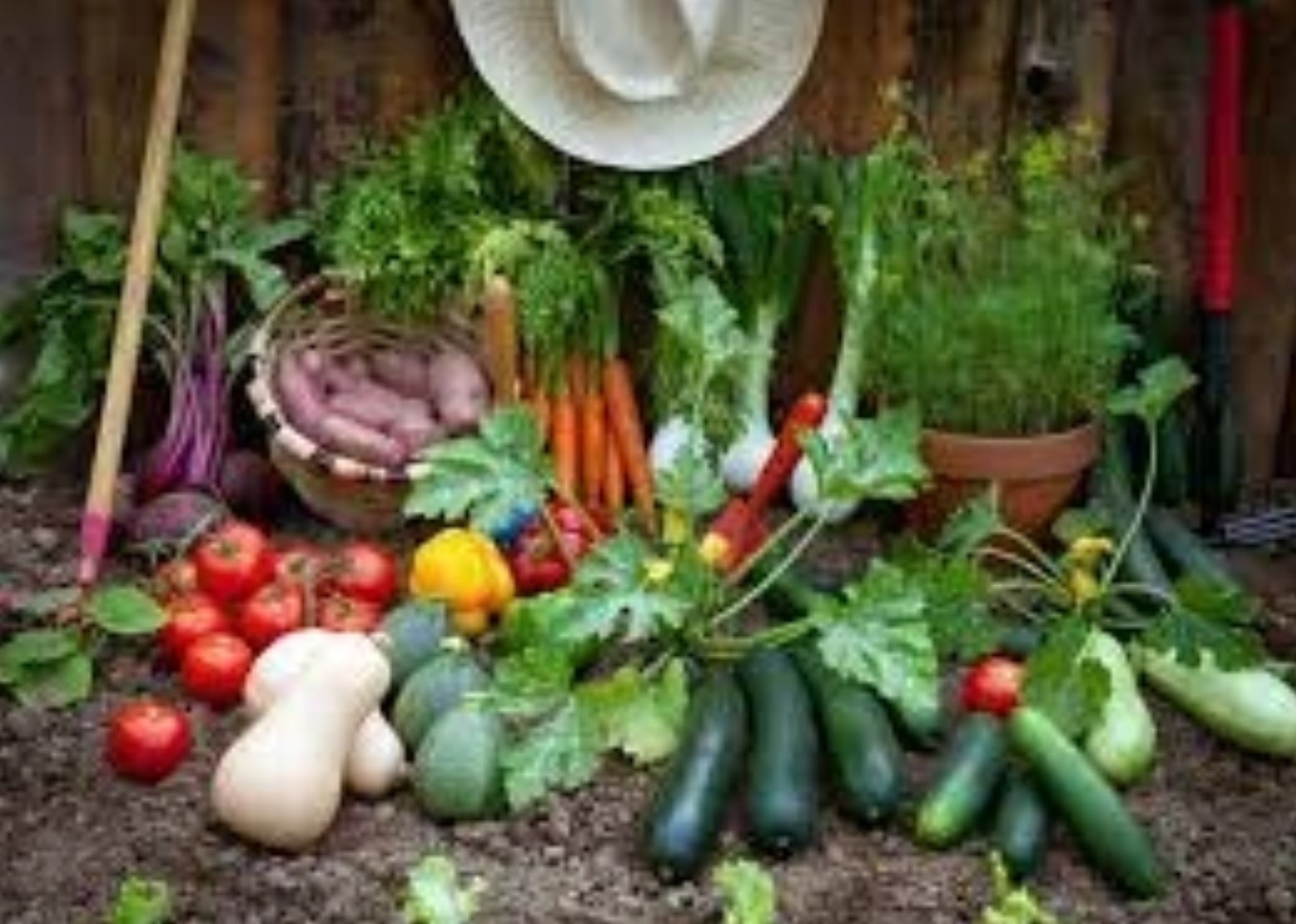
Gardening can be an incredibly rewarding and fulfilling hobby, which allows you to connect with nature and enjoy the fruits of your labor. It doesn’t matter whether you have a spacious backyard or a small balcony, as growing your own vegetables and herbs can provide fresh, flavorful produce, and a sense of accomplishment. This article aims to serve as a beginner’s guide to gardening, providing valuable tips and techniques to help you create and maintain a thriving home garden.
1. Assess Your Gardening Space:
Evaluate the available space you have for gardening, whether it’s a backyard, balcony, or windowsill. Consider factors such as sunlight exposure, soil quality, and space limitations to determine the types of plants that are best suited for your garden.
2. Start with Easy-to-Grow Plants:
As a beginner, it’s wise to begin with plants that are relatively easy to grow and maintain. Herbs like basil, mint, and parsley, and vegetables like tomatoes, lettuce, and radishes are great choices for beginners. These plants are resilient, require minimal care, and yield satisfying results.
3. Prepare the Soil:
Healthy soil is the foundation for a successful garden. Ensure your soil is well-draining and rich in organic matter. Amend the soil with compost or aged manure to improve its fertility and structure. Consider conducting a soil test to determine its pH level and nutrient content, which can help you make informed decisions about fertilization.
4. Provide Adequate Sunlight:
Most vegetables and herbs thrive in full sunlight, so choose a location for your garden that receives at least six hours of direct sunlight each day. If you have limited sun exposure, opt for shade-tolerant plants or consider container gardening that allows for mobility.
5. Water Consistently:
Proper watering is essential for plant health. Water your garden regularly, ensuring that the soil remains moist but not waterlogged. The frequency and amount of water will depend on factors such as plant type, weather conditions, and soil moisture levels. Consider using mulch to retain soil moisture and minimize weed growth.
6. Practice Proper Plant Spacing:
Provide adequate space between plants to allow for healthy growth and airflow. Overcrowding can lead to increased disease susceptibility and stunted growth. Follow the recommended spacing guidelines provided on seed packets or plant labels to optimize your plants’ health and productivity.
7. Weed and Pest Control:
Regularly remove weeds from your garden to prevent them from competing with your plants for nutrients and water. Stay vigilant for pests and take appropriate measures to control them. Explore organic and natural pest control methods, such as companion planting, insect-repelling herbs, and homemade insecticidal sprays, to minimize the use of chemicals.
8. Monitor and Maintain:
Keep an eye on your plants for signs of nutrient deficiencies, diseases, or pest infestations. Prune and trim as necessary to promote healthy growth and shape. Regularly fertilize your plants with organic or slow-release fertilizers to provide the necessary nutrients for optimal growth.
9. Harvesting and Enjoying the Fruits:
As your plants mature, harvest your vegetables and herbs at their peak ripeness. Follow proper harvesting techniques to ensure you maximize flavor and encourage continuous production. Enjoy the freshness of your homegrown produce in delicious recipes or share with friends and family.
10. Continue Learning and Experimenting:
Gardening is a continuous learning process. Stay curious and open to new techniques, plant varieties, and gardening methods. Join local gardening communities, attend workshops, or participate in online forums to exchange knowledge and gain inspiration from experienced gardeners.
By following these beginner-friendly gardening tips, you can embark on a rewarding journey of growing your own vegetables and herbs. Embrace the therapeutic and sustainable nature of gardening, and revel in the joy of nurturing life from seed to harvest. Happy gardening!