
Octopuses: Many octopus species are semelparous, which means they reproduce only once in their lifetime. After laying and guarding their eggs, the mother octopus typically stops eating and eventually dies.
Salmon: Salmon are known for their incredible spawning migrations. After laying their eggs, they often die due to the physical toll of the journey and the spawning process.
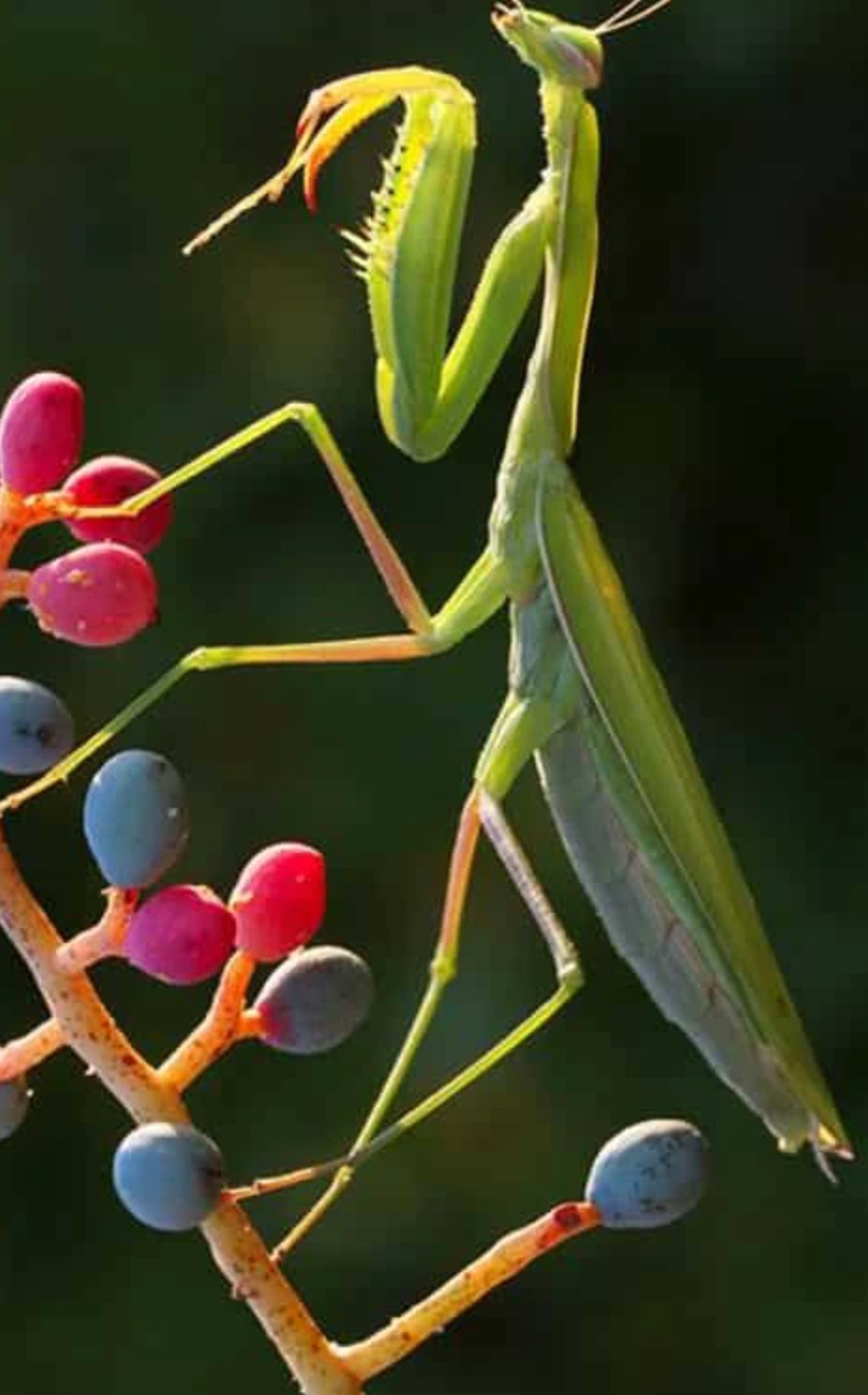
Praying Mantises: In some cases, female praying mantises may cannibalize the males after mating, and the males die as a result.
Black Widows: Female black widow spiders are known for their cannibalistic tendencies. In some cases, they may consume the male after mating, which often leads to his death.
Woolly Spider Monkeys: Female woolly spider monkeys may have high mortality rates during childbirth, with complications and predation being contributing factors.
Cuttlefish: Similar to other cephalopods, cuttlefish may experience senescence and death shortly after mating and laying eggs.
Aphids: Aphids are tiny insects that reproduce parthenogenetically (without males) in many cases. After giving birth to live offspring, the mother aphids often die.
Redback Spiders: Female redback spiders may sometimes die shortly after producing egg sacs. The effort of producing and guarding the eggs, combined with potential predation, can lead to their demise.