
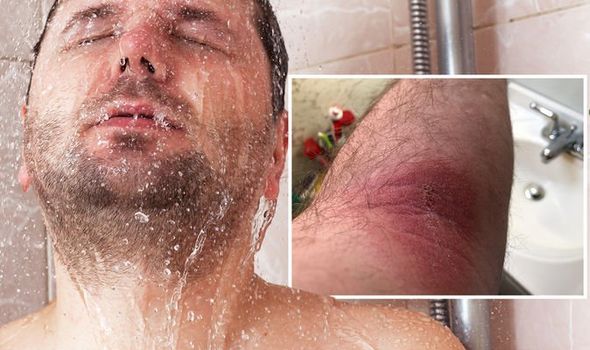
Taking a hot bath is a popular way to unwind and relieve stress, but excessive exposure to hot water can have negative effects on the body. In this article, we will discuss the harmful effects of bathing with hot water and why moderation is important for maintaining optimal health.
Hot water can strip the skin of its natural oils, causing dryness and irritation. Prolonged exposure to high temperatures can also damage the skin’s protective barrier, leading to chronic dryness, itchiness, and conditions like eczema. This is particularly true for individuals with sensitive skin.
For those with skin conditions like rosacea or psoriasis, hot water can worsen symptoms. The heat can trigger flushing and inflammation in people with rosacea, while psoriasis can become more itchy and prone to flare-ups.
Excessive exposure to hot water can also accelerate the aging process by breaking down collagen and elastin fibers in the skin. Collagen and elastin are crucial for maintaining skin firmness and elasticity, and their breakdown can result in wrinkles, fine lines, and sagging.

Additionally, hot water can disrupt the skin’s natural microbiome, which consists of beneficial bacteria that protect against harmful microorganisms. This disruption can lead to imbalances and skin infections, making it crucial to maintain a healthy skin microbiome.
Lastly, hot water can weaken hair, making it susceptible to breakage and damage. Therefore, it’s important to be mindful of the temperature and duration of hot baths to avoid these negative effects on the body.
Just as hot water strips the skin of its natural oils, it can also rob the hair of its moisture. Hot water weakens the hair shaft, making it more susceptible to breakage and split ends. It can also lead to an itchy scalp and dandruff due to dryness.
Cardiovascular Stress
Immersing yourself in extremely hot water causes blood vessels to dilate, leading to a drop in blood pressure. The body’s natural response to this drop is an increase in heart rate to maintain blood flow. For individuals with certain heart conditions or those prone to fainting, this sudden change in cardiovascular function can be risky.
Low Blood Pressure and Dizziness
Hot baths can cause a drop in blood pressure due to vasodilation, which can result in dizziness or even fainting. If you already have low blood pressure or are prone to feeling lightheaded, hot baths might exacerbate these symptoms.
Dehydration
Hot water can cause excessive sweating, leading to fluid loss from the body. This can potentially lead to dehydration, especially if you’re not adequately hydrating before or after your bath. Dehydration can cause a range of health issues, from fatigue to impaired cognitive function.
Muscle Weakness
While a warm bath can help relax muscles, excessively hot water can lead to muscle weakness. High temperatures can cause vasodilation, diverting blood flow away from muscles and potentially causing a feeling of weakness or instability.
Impact on Male Fertility
It’s important to be mindful of the temperature of water you use for bathing, as prolonged exposure to high temperatures can have negative effects on male fertility. High temperatures, such as those found in hot tubs or hot water for bathing, can impact sperm count, motility, and quality by raising testicular temperatures.
For individuals with circulatory issues, such as varicose veins, hot water can exacerbate symptoms by dilating blood vessels and worsening venous insufficiency. This can lead to increased swelling and discomfort.
Bathing in water that’s too hot can also increase the risk of burns and scalds, particularly for those with decreased sensitivity to temperature changes. This risk is higher for children, the elderly, and individuals with certain medical conditions that affect nerve function. So, it’s important to be cautious and adjust water temperature accordingly.