
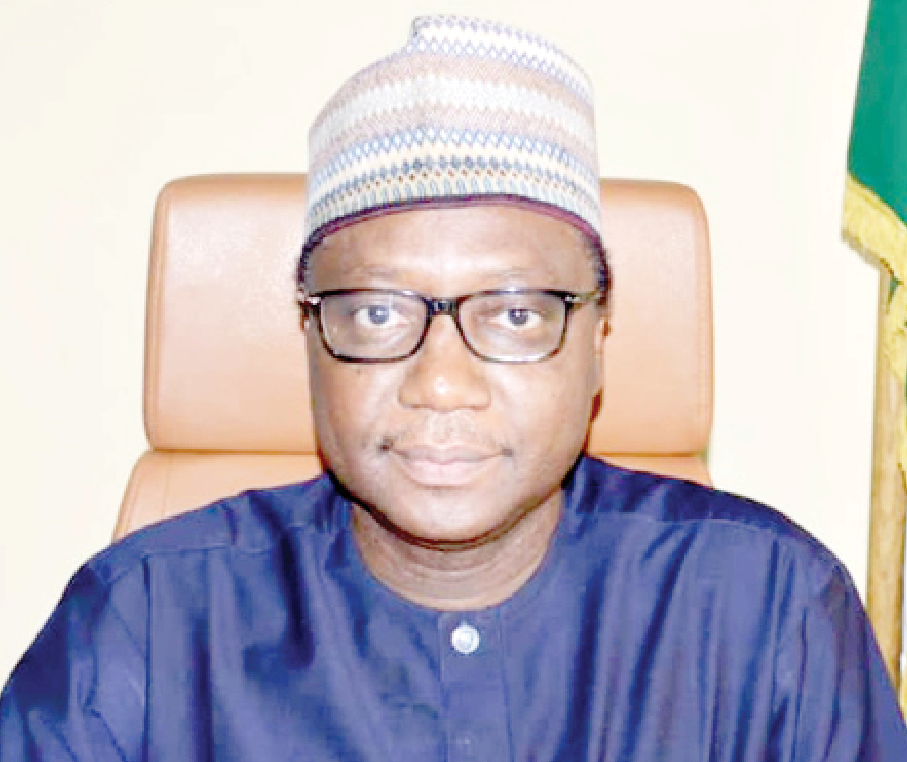
The Chairman of the Revenue Mobilization and Fiscal Commission (RMAFC), Muhammed Shehu, has refuted the belief that Nigerian politicians earn outrageous salaries. According to Mr. Shehu, some civil servants earn more than ministers and legislators, and politicians have not seen a pay raise since 2007.
During an interview with the Nigerian News Agency (NAN), he explained that President Buhari’s monthly salary is less than N1.5 million, while a minister’s salary does not even reach a million naira. Mr. Shehu added that he knows an average CBN worker who is not even a director and earns more than a minister. He also pointed out that people from NNPC, NCC, and the port authority earn huge salaries, and compared to them, the salaries of governors and legislators are not that high.
In June, an RMAFC official announced a proposed 114% salary increase for political office holders. However, many Nigerians criticized the proposal, especially at a time when citizens are being asked to adjust to rising prices of goods and services due to government policies, such as the removal of gasoline subsidies. Dele Alake, the spokesperson for President Bola Tinubu, denied the claim and clarified that the President hadn’t given his approval yet.
Mr Shehu has stated that the responsibility of determining and reviewing the salaries of executive, legislative, and judicial officers lies with the RMAFC as per the constitution.
He further highlighted that the salaries of political officials have not been reviewed since 2007. “There has not been a single review since 2008 till date,” he stated. Additionally, Mr Shehu mentioned that the ongoing challenges faced by the government should not be a reason to initiate discussions regarding the review of political officials’ salaries as they are Nigerians.
The commission will perform their job, but they won’t do it immediately. They will wait for the right weather and then present the findings to the stakeholders who will decide what to do next.
According to Shehu, lawmakers don’t earn huge salaries; they earn operating costs. Nigerians’ perception of “huge salaries” for the National Assembly members is actually just the operational costs of running their offices. This includes things like constituency offices, computers, and logistics, which in other societies is not the responsibility of legislators because there is already a pre-existing structure. Once elected, lawmakers create this structure depending on the size of their constituency.
In a recent statement, Shehu emphasized the importance of accountability and proper documentation in the Nigerian legislative system. He suggested that the legislators should submit their receipts to the National Assembly Service Commission for documentation and transparency purposes. While the electoral office is responsible for hiring workers, it is the National Assembly Service Commission’s duty to manage the finances allocated to the legislators. However, the current Nigerian system allows the legislators to receive a certain amount and then withdraw the receipts, which can lead to a lack of transparency and accountability.