
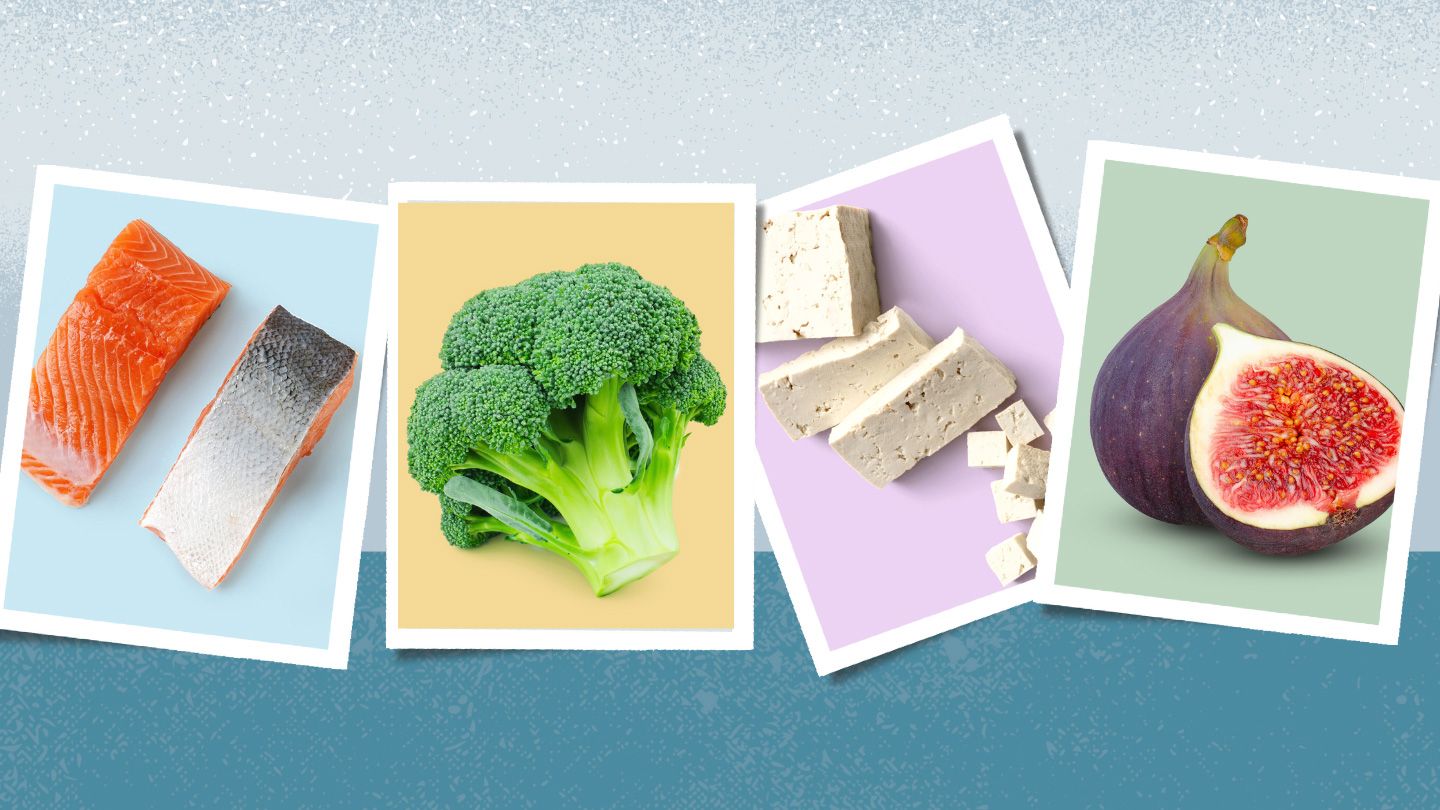
When you’re going through HR+/HER-2- breast cancer treatment, a healthy diet can help you feel better, cope with treatment side effects, and reduce the risk of the cancer coming back.An ideal diet is similar across all types of breast cancer, no matter the stage and treatment plan, says Ayana B. Davis, a registered dietitian with Berkeley’s outpatient cancer center, which is part of the University of California in San Francisco. But, because HR+/HER-2- breast cancer is hormone positive (that’s what the HR+ means), it responds to the presence of hormones, especially estrogen.Eating the right foods and limiting others can help.Foods to Include in Your Breast Cancer DietDavis notes that a high-fiber diet, with at least five servings of fruit and vegetables daily, is known to reduce the risk of cancer recurrence. “Focus on getting 75 percent of your food from plant foods — specifically, fruits and vegetables, whole grains, nuts, seeds, and legumes,” she advises. “But, that doesn’t mean you have to become a vegetarian or vegan.”Cruciferous VegetablesThese vegetables have cancer-fighting compounds, such as sulforaphane, that work in different ways, Davis notes. While they’re valuable for anyone who has breast cancer, research suggests they have an additional benefit for people with hormone-positive breast cancer: reversing estrogen-related metabolic changes.Options include broccoli, Brussels sprouts, cabbage, and cauliflower, as well as arugula, bok choy, and kale.Tip: Eat one serving of cruciferous vegetables daily.Omega-3–Rich SeafoodResearch shows that women with breast cancer who get plenty of omega-3s from consuming fish have a better prognosis than those who don’t include much fatty fish in their diet.While Davis recommends fatty fish for everyone with breast cancer, there may be a specific boost for those with hormone-positive cancer. Omega-3 fatty acids contain a compound that may reduce estrogen levels in the body, which studies show may make estrogen blockers — such as Tamoxifen, which is often prescribed for HR+ breast cancer survivors — more effective.Fish such as salmon, sardines, and trout are rich in these protective fatty acids. These options are also safe to eat several times a week, but others, such as tuna and swordfish, may contain pollutants and should be limited to no more than once a month.Tip: Eat fatty fish three times a week. If you’re a vegetarian or don’t like fish, go for plant sources of omega-3s, such as chia seeds, flaxseed, walnuts, or omega-3–fortified eggs.Whole Soy FoodsSoy was once considered risky for people with hormone-positive breast cancer, because it can affect hormones. However, soy foods are now recognized by the American Institute for Cancer Research as safe and even beneficial to eat, including for women with hormone-positive breast cancer.Options include edamame, soy milk, tempeh, and tofu. Davis warns against highly processed soy foods, though, including textured soy protein, such as vegan sausage or vegan ground meat. “Soy processing may be what contributed to tumor growth in mice in earlier research on estrogen-positive breast cancer,” she says. “Although more research is needed, we currently recommend avoiding highly processed soy foods.”Tip: Eat whole soy foods, such as tofu, several times a week.Protein“Systemic treatment, such as chemotherapy, affects all of your body’s cells, and you need adequate amounts of protein to repair those cells,” Davis says, adding that many women who lean toward plant-based diets tend to skimp on protein.For women with hormone-positive breast cancer, who are generally treated with hormone blockers, getting enough protein is particularly important. “When you don’t have enough estrogen in the body, you lose more lean body mass. That’s one reason women who transition to menopause naturally lose lean body mass,” says Davis. “So, you need extra protein to support whatever muscle mass you have.”Focus on protein from lean animal sources (eggs, fish, skinless chicken) and plant sources (beans, lentils, soy foods).Tip: Make sure every meal incorporates a source of protein.Foods Rich in Calcium and Vitamin DIf you have hormone-positive breast cancer and are put on hormone-suppressing drugs, which lower estrogen levels, you’re prone to bone loss. This makes increasing calcium intake super important, especially if you take these hormone suppressants for five years or longer, says Davis.Eat plenty of calcium-rich foods, which include cheese, low-fat milk, unsweetened yogurt, soy milk, tofu, broccoli, figs, spinach, calcium-fortified orange juice, calcium-fortified cereal, and beans such as chickpeas. Aim for 1,000 to 1,300 milligrams of calcium each day.Meanwhile, you also need to ensure you’re getting enough vitamin D, which helps your body absorb calcium.The body produces vitamin D when exposed to sunlight, so spending time outside can boost your intake. Vitamin D is also found in foods, such as eggs, fortified milk, mushrooms, and salmon. Aim for 15 micrograms (or 600 IU) of vitamin D each day.Tip: Your doctor can use a simple blood test to monitor your calcium and vitamin D levels. If you’re not getting enough of these essential nutrients through your diet, your doctor may recommend a supplement.Building a Breast Cancer DietA good rule of thumb is to eat a varied, colorful diet. That includes fruits and vegetables, such as berries and sweet potatoes; spices, such as cinnamon, garlic, ginger, and turmeric; and herbs, such as basil, oregano, and thyme.Take it one step at a time, Davis advises. Remember that good nutrition can help your body stay strong during breast cancer treatment and beyond.Consider finding a nutritionist who specializes in working with people who have breast cancer to help you develop an individualized eating plan that suits your needs.