
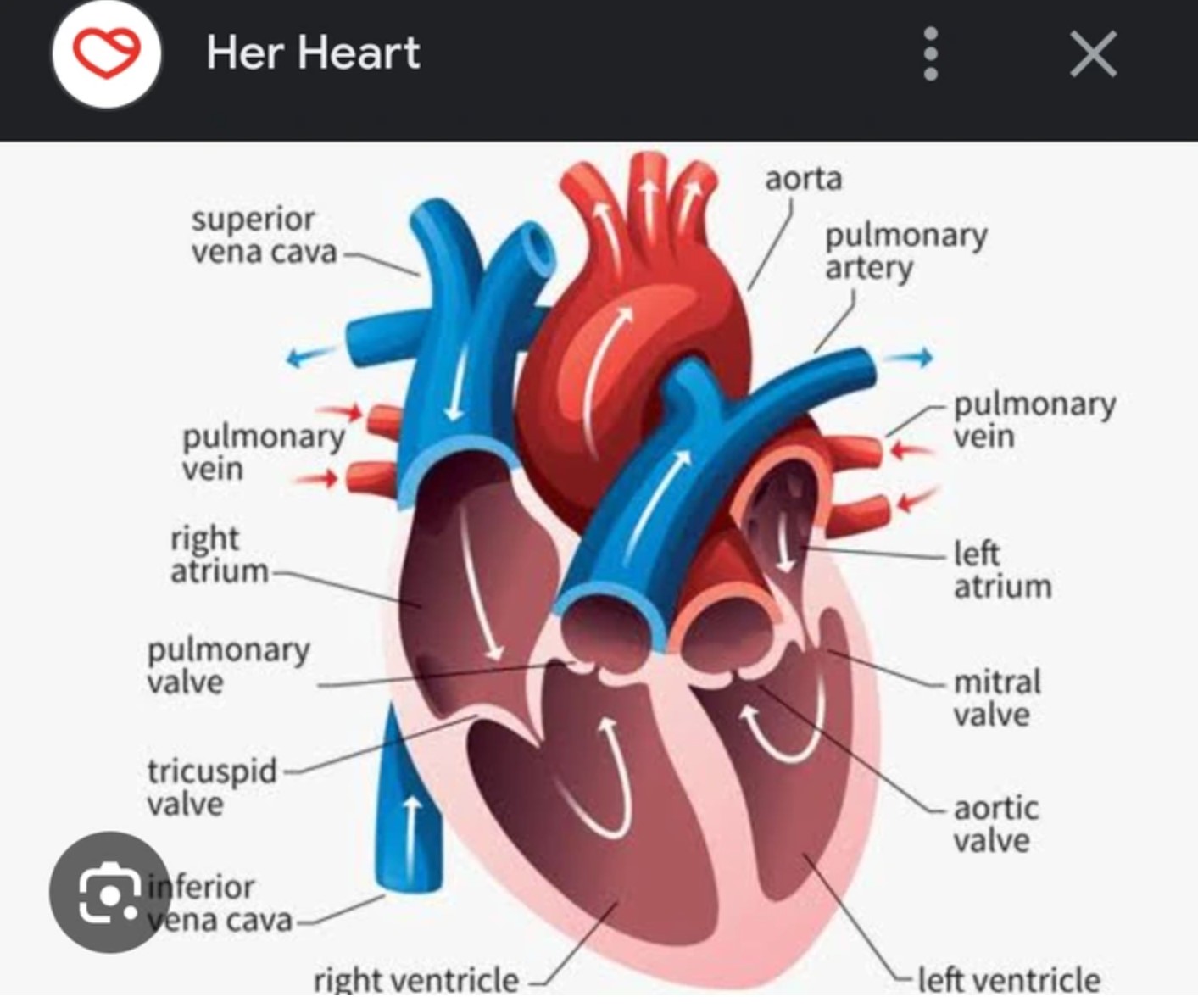
The pathophysiology of rheumatic heart disease (RHD) involves a complex interplay of immunological, inflammatory, and structural changes within the heart, primarily triggered by an untreated or inadequately treated streptococcal infection, such as strep throat, caused by Group A Streptococcus bacteria. The pathophysiological process of RHD can be summarized as follows:
1. **Initial Infection**: The pathophysiology of RHD begins with the initial streptococcal infection, which typically affects the throat or upper respiratory tract. If left untreated with appropriate antibiotics, the infection can trigger an abnormal immune response in susceptible individuals.
2. **Autoimmune Response**: In some individuals, the body’s immune system reacts abnormally to the streptococcal infection, resulting in an autoimmune response. Specifically, the immune system produces antibodies called anti-streptolysin O (ASO) and anti-DNAse B, which cross-react with certain proteins present in the heart’s tissues, particularly the heart valves.
3. **Inflammatory Process**: The autoimmune response leads to inflammation within the heart, primarily affecting the endocardium (inner lining of the heart) and the heart valves. This inflammatory process, known as pancarditis, involves the infiltration of immune cells, such as T lymphocytes and macrophages, into the affected tissues.
4. **Valvular Damage**: Chronic inflammation and scarring of the heart valves, particularly the mitral and aortic valves, lead to progressive damage and deformity. This damage can result in valve stenosis (narrowing) or regurgitation (leakage), impairing the heart’s ability to pump blood efficiently.
5. **Hemodynamic Consequences**: The structural abnormalities of the heart valves caused by RHD can disrupt normal blood flow patterns within the heart chambers. This can lead to hemodynamic consequences such as increased pressure within the heart chambers, turbulence of blood flow, and the development of secondary complications such as heart failure, arrhythmias, and thromboembolism.
6. **Chronic Heart Damage**: Over time, chronic inflammation and mechanical stress on the heart valves can lead to irreversible damage and remodeling of the heart’s structures. This chronic heart damage contributes to the progression of RHD and increases the risk of long-term complications, including heart failure, stroke, and infective endocarditis.
In summary, the pathophysiology of rheumatic heart disease involves an autoimmune-mediated inflammatory process that results in progressive damage and deformity of the heart valves. Early recognition and treatment of streptococcal infections with antibiotics are crucial in preventing the development of RHD and its associated complications.