
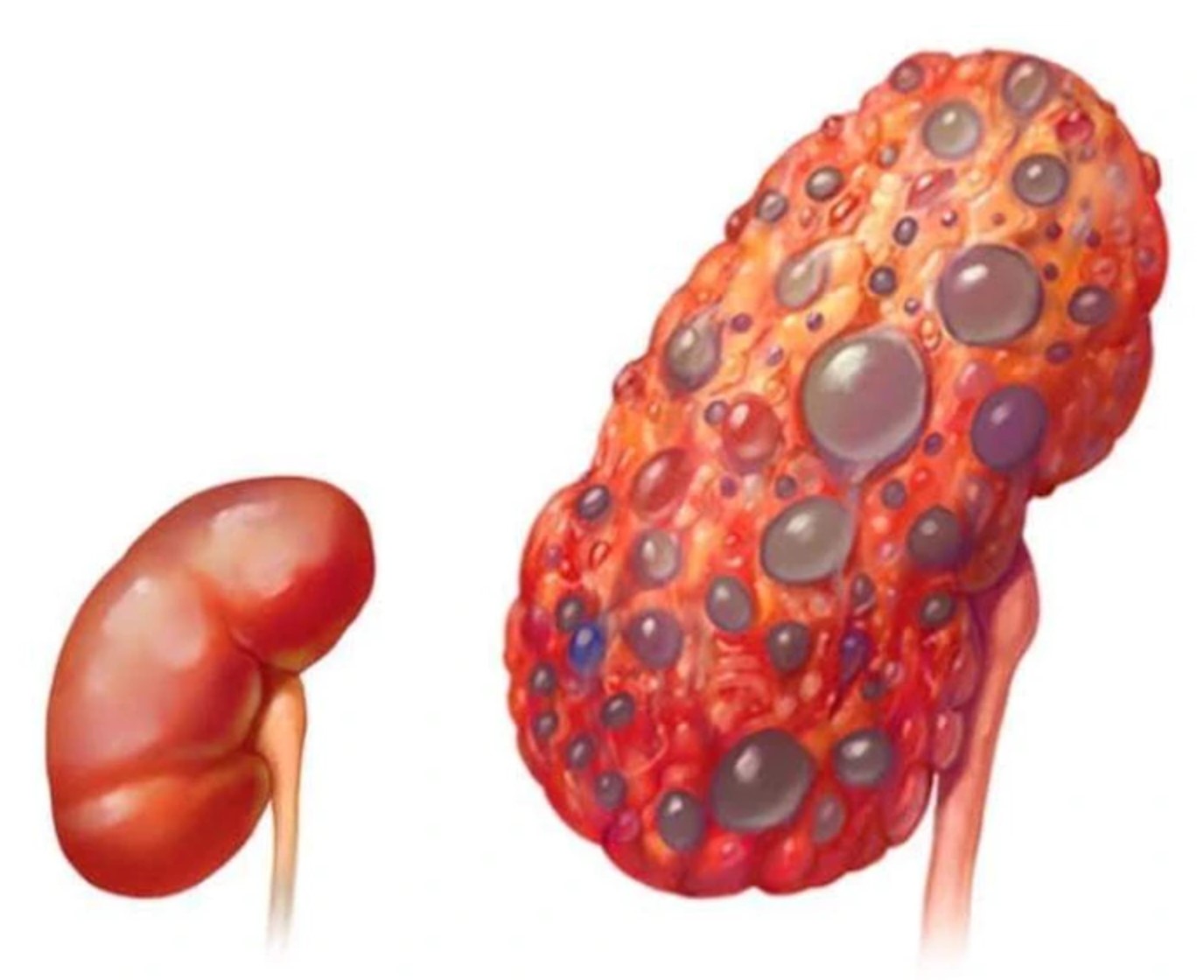
1. Pain When Urinating: Individuals with kidney stones may feel pain or a burning feeling when they urinate. The stone pressing on the urinary tract is usually the cause of this discomfort.
2. Blood Strains in Urine. Hematuria, or the presence of blood in the urine, is another common sign of kidney stones. It is something that should be assessed by a healthcare provider and might be unsettling.
3. Often Urging to Urinate at Night: Your body may feel the need to urinate more frequently when you have kidney stones as it attempts to pass the stone through urine. Particularly at night, some people may experience nausea or even notice a noticeable alteration in their bowel function.
4. Unexplained Stomach Pain: Severe back or stomach pain is among the most typical signs of kidney stones. This throbbing sensation may waver and maybe spread to the region of the groyne.
5. Heaviness in the Legs at Night: For some people, the discomfort that kidney stones produce might make it difficult to simply stand or move. Individuals who are impacted may also experience nocturnal restless legs syndrome as a result of their limb pain.
6. Unexplained Leg Pain. Those affected by kidney stones may experience leg pain, specifically in the calf or thigh. This could be sharp or dull and often gets worse at night time.
Swollen feet, ankles, and legs can be a sign of kidney stones.