
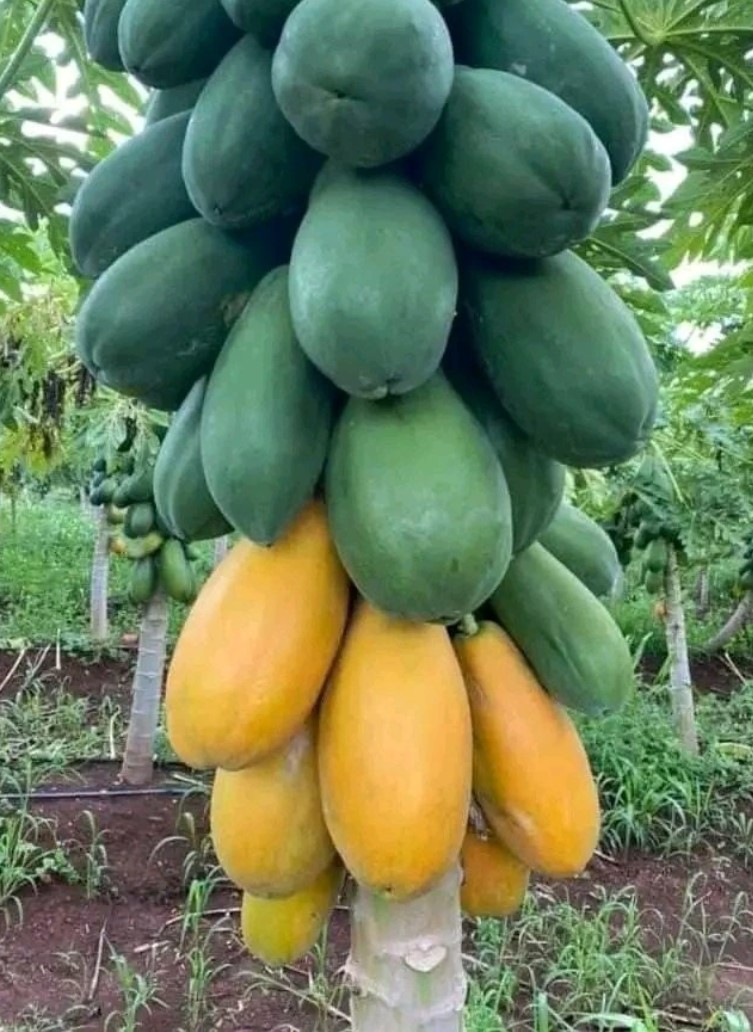
Planting pawpaw (Asimina triloba) can be a beneficial endeavour for farmers due to several reasons:
1. **High Nutritional Value**: Pawpaw fruits are rich in essential nutrients like vitamins A, C, and E, as well as minerals like potassium and magnesium. They also contain significant amounts of dietary fiber, making them a nutritious addition to the diet.
2. **Market Demand**: There is a growing demand for exotic and tropical fruits like pawpaw due to their unique flavor and health benefits. Farmers can tap into niche markets and sell pawpaw fruits at premium prices, especially in areas where they are not commonly grown.
3. **Adaptability**: Pawpaw trees are adaptable to a wide range of soil types and climates, although they prefer well-drained, fertile soil. They can be grown in various regions across the United States, making them accessible to farmers in different geographic locations.
4. **Low Maintenance**: Once established, pawpaw trees require minimal maintenance compared to other fruit trees. They are relatively pest and disease-resistant, reducing the need for chemical interventions. Pruning is minimal, and pawpaw trees are self-pollinating, eliminating the need for multiple trees for fruit production.
5. **High Yield Potential**: Mature pawpaw trees can produce abundant yields of fruit, with each tree capable of producing 20-50 pounds of fruit per year under favorable conditions. This high yield potential can translate into significant returns for farmers, especially in commercial orchards.
6. **Value-Added Products**: In addition to fresh fruit sales, farmers can diversify their product offerings by processing pawpaw into value-added products such as jams, jellies, juices, and ice creams. These products have the potential to fetch higher prices and extend the shelf life of the fruit.
7. **Environmental Benefits**: Pawpaw trees are native to North America and play a role in supporting local ecosystems. They provide habitat and food for wildlife, including birds and butterflies. Additionally, their deep root systems help prevent soil erosion and improve soil health.
8. **Long-Term Investment**: While pawpaw trees may take a few years to reach maturity and full fruit production, they can be a valuable long-term investment for farmers looking to diversify their crop portfolio and generate consistent income over time.
Overall, planting pawpaw can be a lucrative and rewarding venture for farmers, offering nutritional, economic, and environmental benefits.