
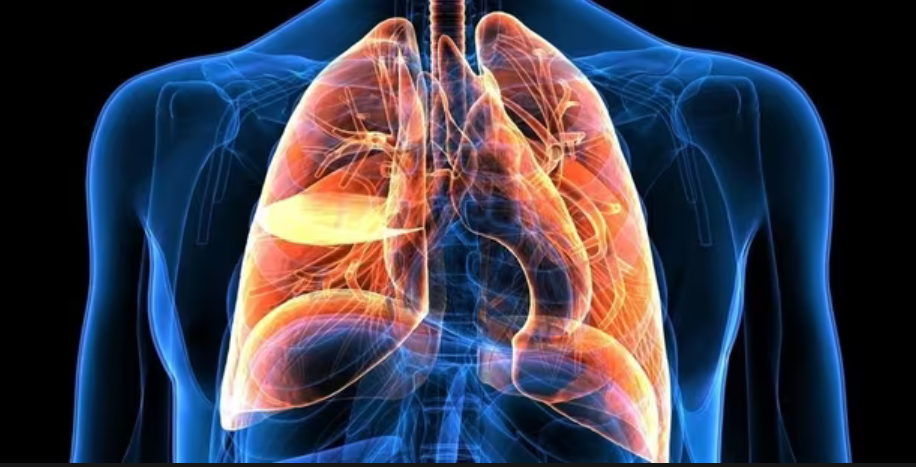
The AQI serves as a vital tool in assessing the quality of the air we breathe and understanding its potential effects on our well-being. It is a standardised scale that measures the concentration of key air pollutants, including particulate matter (PM2.5 and PM10), ozone (O3), nitrogen dioxide (NO2), sulphur dioxide (SO2), and carbon monoxide (CO). These pollutants, emitted from various sources such as vehicles, industrial processes, and wildfires, can have detrimental effects on our respiratory system and overall health.
In a conversation with Jagran English, Dr Vaibhav Chachra, Senior Consultant – Pulmonology, Max Super Speciality Hospital, Dehradun explained the effects of air quality on our health.
According to Dr Chachra, when the AQI value is high, it indicates elevated levels of air pollution, which can pose significant health risks, especially for vulnerable populations such as children, the elderly, and individuals with pre-existing respiratory conditions. Exposure to pollutants like PM2.5 and ozone can exacerbate respiratory conditions such as asthma, chronic obstructive pulmonary disease (COPD), and bronchitis, leading to increased symptoms, hospitalizations, and even premature mortality.
It’s important to understand that poor air quality doesn’t just affect our lungs; it can also have systemic effects on our cardiovascular system and overall health. Long-term exposure to high levels of air pollution has been linked to the development and worsening of chronic diseases such as heart disease, stroke, and diabetes.
Dr Chachra said that as pulmonologists, we urge the public to monitor AQI levels, especially during times of increased pollution, such as wildfires or high-traffic days. By staying informed about air quality conditions, individuals can take proactive measures to protect their health, such as limiting outdoor activities, using air purifiers indoors, and wearing masks when necessary.
Furthermore, we advocate for public policies and regulations aimed at reducing air pollution, such as stricter emissions standards, promoting cleaner energy sources, and investing in public transportation and active transportation infrastructure. These measures are crucial in improving air quality and safeguarding public health for generations to come.
In conclusion, the AQI serves as a valuable tool in assessing air quality and understanding its impact on our health. By taking proactive steps to reduce air pollution and protect ourselves from its harmful effects, we can promote respiratory health and overall well-being in our communities.