
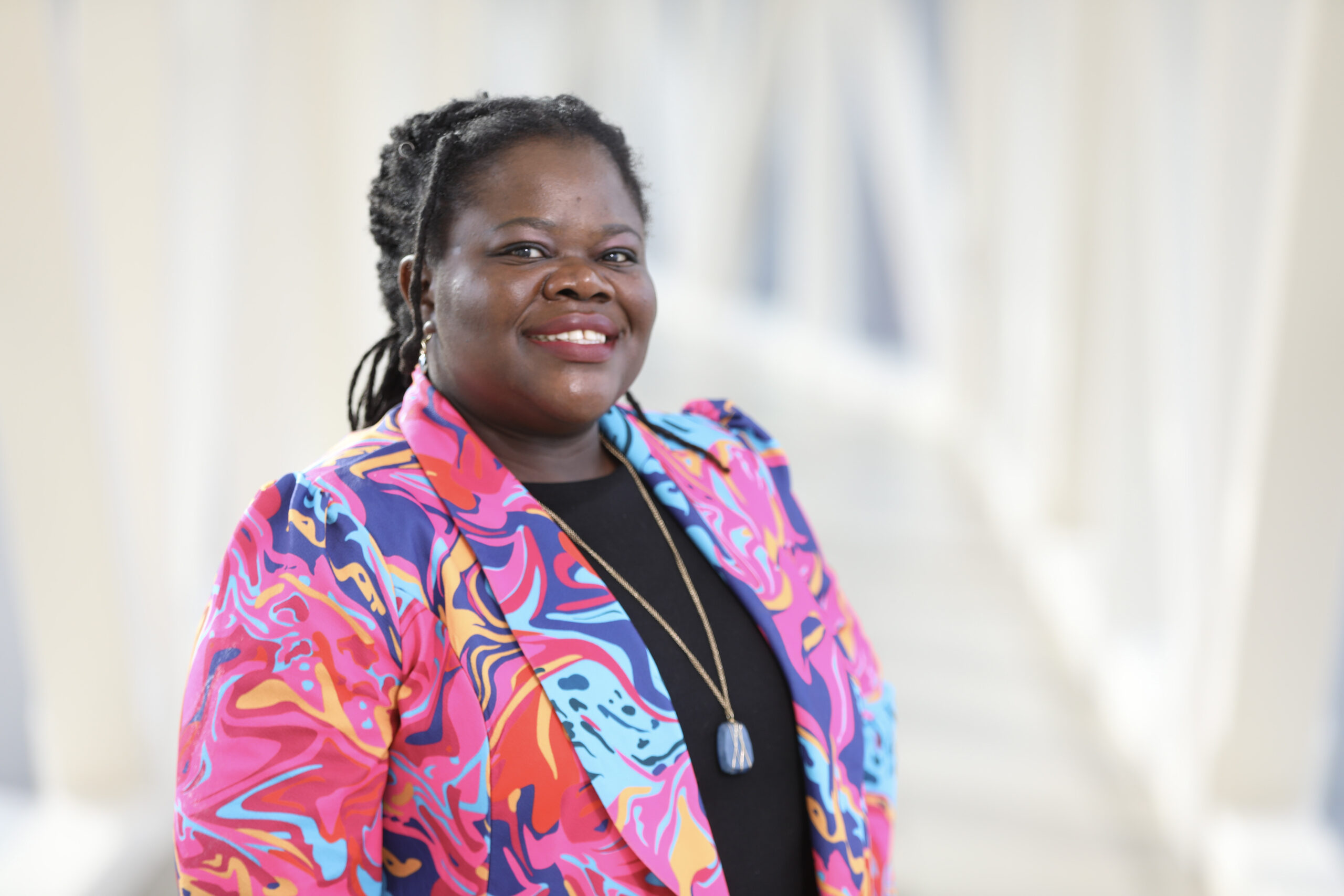
In this interview with Newslodge, Motolani Ogunsanya, Assistant Professor of Clinical and Administrative Sciences in the Department of Pharmacy at the University of Oklahoma Health Sciences Center, shared the findings of her research on “the experiences of black men who have survived prostate cancer. “She also made recommendations to improve the management and treatment of the disease in Nigeria.
PT: Prostate cancer is known to occur in men. Please tell us what the research study is about and what makes it unique.
Ms. Ogunsanya: The research study focuses on prostate cancer, specifically in black men. I have a strong interest in improving quality of life outcomes for ethnically diverse people. Our research lab goes beyond viewing blackness as a monolithic concept and considers factors such as country of origin, culture, and social determinants of health.
By examining the experiences of black men from diverse backgrounds, including those from Africa, the Caribbean, and the US, we aim to understand how these factors, along with healthcare interactions, norms, levels of cultural acculturation, and other influences intrinsic and extrinsic, can impact overall survival and prostate cancer-related outcomes.
Our approach recognizes the importance of individual differences within the black male population and seeks to identify predictors that may affect survival in this group.
PT: What are the main findings of the research and its recommendations for the Nigerian group?
Ms. Ogunsanya: The main findings of our research highlight the importance of early detection of prostate cancer, particularly for the Nigerian group. However, the health system in Nigeria is run on out-of-pocket costs, which places a significant financial burden on the people.
In addition to early detection, it is critical that the government provide affordable treatment options and reduce the financial burden on patients. Cancer treatments can be prohibitively expensive and exceed the minimum wage in Nigeria, making it difficult for people to access needed care.
For people with a family history of prostate cancer, it is recommended to begin screening at age 40 using the prostate-specific antigen (PSA) blood test and digital rectal examination (DRE). Regular medical check-ups are also essential to monitor general health.
It is also important to monitor vitamin D levels, as lower levels have been associated with more aggressive forms of prostate cancer. Therefore, my recommendations for the Nigerian group will include prioritizing early detection, ensuring affordable treatment options, and regular medical checkups to improve prostate cancer outcomes.
PT: What were the treatment options adopted by the men in the study?
Ms. Ogunsanya: In terms of the treatment options taken by the men in the study, several approaches were used. The average age of the participants was around 65 years, and the African group was diagnosed approximately 10 years earlier. Radiation therapy was the most common form of therapy, with approximately 20 percent of the men receiving a combination therapy, such as radiation therapy, followed by surgery. Active surveillance, which involves close monitoring of less aggressive cancers, was also an option.
Cancer recurrence is a concern, and prior cancer diagnosis is a risk factor. In our study, we explored the impact of diet on cancer recurrence. Many patients made changes to their diet incorporating foods rich in fiber, nutrients from vegetables, and vitamin D, known for its antioxidant properties. Spouses and loved ones played a crucial role in supporting people on their cancer journey through open communication and understanding of individual needs.
PT: What are the symptoms that men need to watch out for based on the experiences of the men in the study?
Ms. Ogunsanya: Unfortunately, when it comes to signs of prostate cancer, he is not entirely direct and I will highlight a few examples. There is blood in the urine, another is urinary pain, you can also have pain in the back and the last one would be erectile dysfunction.
Motolani Ogunsanya, assistant professor of pharmacy, University of Oklahoma Health Sciences Center
However, it is important to note that not all men may experience these signs and some may have one or none, or even all of them. Therefore, when the signs appear, it is often not a positive indication. So again, prevention is better than cure, especially in this part of the world where the healthcare system is not well equipped to handle the burden of cancer, as we are seeing especially among the younger demographic.
Taking charge of our health should be a priority. It is crucial to allocate funds for regular annual checkups. In Nigeria, prostate cancer is largely undiagnosed due to various factors. A major challenge is the limited number of pathologists available.
As I understand it, there are approximately 106 pathologists for a population of over 200 million people. This number is significantly low, and some pathologists may even have left the country at the time of this interview, further reducing the (human) resources available. As a result, many people may have died without these deaths being attributed to prostate cancer.
Another major challenge we face is the lack of real-time reporting on cancer incidence, especially new cases. In countries like the United States, they have regional databases that actively collect and record diagnosed cases of prostate cancer in a central repository. Unfortunately, Nigeria does not have such centralized data and our reliance on information comes mainly after people have passed away.
Furthermore, Nigeria’s budgetary allocation for health care is alarmingly low. The 2001 Abuja Declaration, in which African governments participated, pledged to allocate approximately 15 percent of their GDP to health care. However, current GDP spending on health care in Nigeria is just 3.4 per cent, well below the World Health OrganizationThe recommended minimum of 10 percent.
This inadequate funding has led to a shortage of healthcare providers, such as cancer diagnostic pathologists, and a healthcare system ill-prepared to deal with the rising number of cancer cases, especially among younger people, including men with prostate cancer. . In addition, we are still dealing with other diseases such as HIV and malaria, which already put incredible pressure on our fragile system.
ALSO READ: World Cancer Day: What men need to know about prostate cancer – Professor
To address these challenges, we must strengthen our health systems by improving mechanisms for real-time reporting of cancer incidence. It is crucial to allocate a more substantial share of GDP to health care and invest in training more health workers, including ancillary ones such as community health workers. Creating favorable conditions, including competitive salaries, will encourage health professionals to remain in the country, reducing the phenomenon of brain drain.
By strengthening our health care systems, ensuring an adequate number of trained professionals, and prioritizing health care spending, we will be able to effectively address the growing burden of cancer and other health challenges we face in Nigeria.
PT: Nigeria is currently experiencing a prevalence of cancer cases. How would you review the country’s preparedness and response to various forms of cancer? And what are your recommendations for Nigerians?
Ms Ogunsanya: Well, cancer has become a major burden in Nigeria and unfortunately we don’t have a national registry to accurately track prevalence and incidence rates. We rely on statistics from external sources such as GLOBOCAN via IARC, which can be reasonably reliable, but having our internal data is crucial for a fuller understanding of the situation.
In recent years, we have seen a worrying rise in breast cancer rates among younger women in Nigeria, often presenting as aggressive forms of the disease. Multiple factors contribute to this trend, including environmental pollutants and the absence of proper zoning laws and regulations for pesticides. These issues highlight the importance of being proactive about our health in a country where the health system still requires substantial improvement. The responsibility then falls on individuals to be vigilant and assertive to safeguard their own well-being.
Being aware of what we consume is essential. Reading labels, making informed decisions, and being aware of potential health impacts are all crucial steps. In addition, we are also seeing an increase in kidney cancers, which may be related to the use of alternative medicine. While I recognize the potential benefits of natural herbs as a pharmacist, it is essential to exercise caution and ask questions about the medications we take. Some alternative remedies may contain high levels of alcohol, which poses risks to the kidneys and liver.
It is important to prioritize regular physical activity as part of our overall health strategy. Exercising, such as brisk walks or recreational activities, not only helps maintain a healthy weight but also reduces the risk of various types of cancer and improves general well-being. By combining a healthy diet, prudent use of medications, and regular physical activity, we can take important steps to protect our health and reduce the burden of most cancers in Nigeria.
Ultimately, taking charge of our health should be a top priority. This means understanding our health values and numbers, sharing our family history, actively seeking information, and advocating for our well-being. In a healthcare system that still has a long way to go, again, we must be proactive in protecting our health and well-being.
Read More Related News Here
Let hear it in the comment below if you do have an opinion on this; Why men should detect prostate cancer early