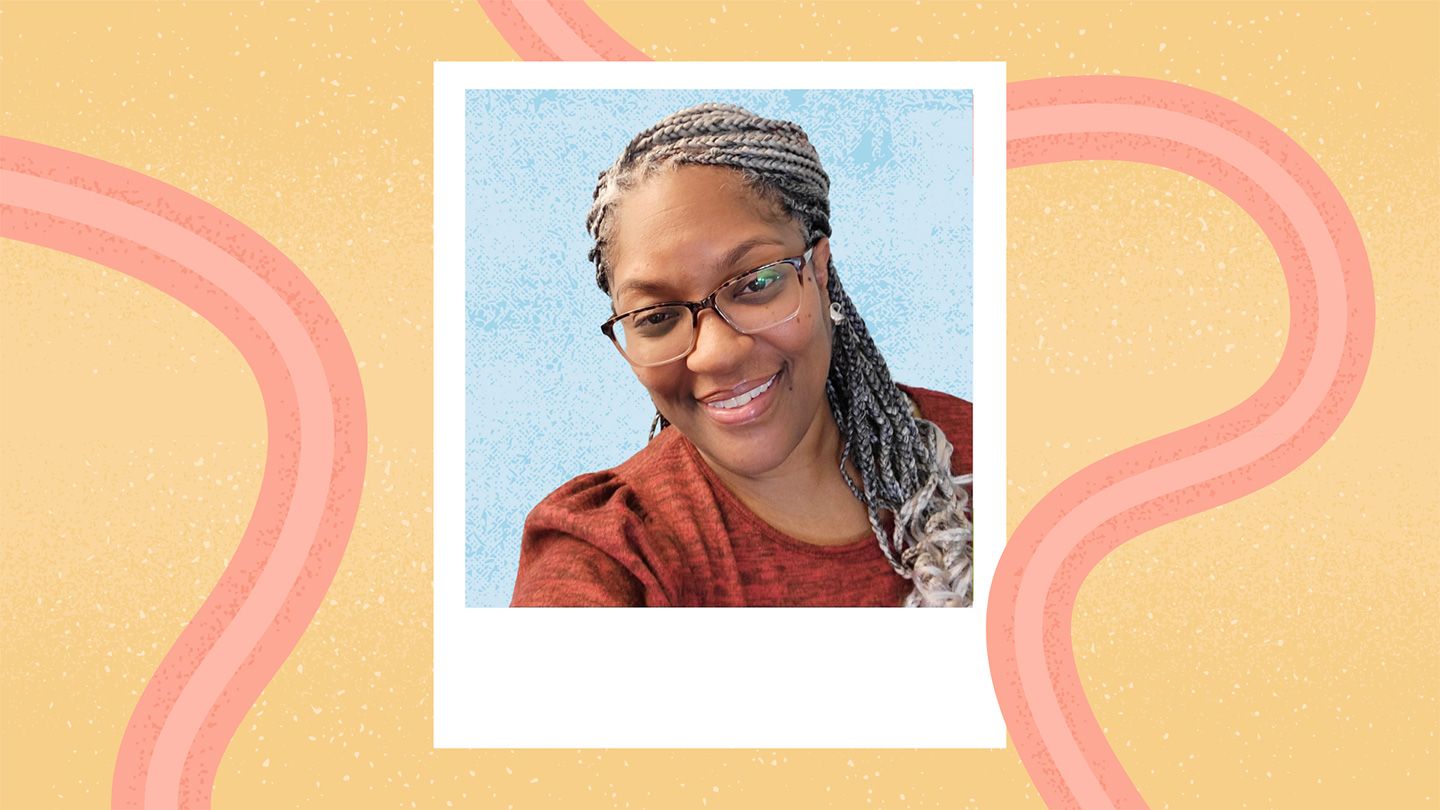
While rates of triple-negative breast cancer (TNBC), a more aggressive form of breast cancer, are soaring among Black women — current estimates show a threefold increased risk in Black women in particular — there remains a serious gap in breast cancer care for Black women.To help educate and draw attention to TNBC, however, local grassroots organizations are mobilizing to empower patients who lack equitable access to cancer care.Tiffany Clifton-Reed, 50, who lives in Philadelphia, was diagnosed with TNBC in 2020, and learned about Lift Her Up, a local program launched in January 2023 for Black women newly diagnosed or living with TNBC, through her insurance company.The program, sponsored by Unite for Her, a national nonprofit made possible thanks to $5.7 million in grants from Gilead, a research-based pharmaceutical company, has made it a priority to connect healthcare providers and patients, offering education, support, and free services for patients with breast cancer, ovarian cancer and metastatic breast cancer. Every woman who signs up is eligible for $2,000 in services, including integrative therapies involving nutrition, exercise, meditation, yoga, and counseling.“I received a care package from them that blew me away,” says Clifton-Reed, who is an authorization coordinator at the Hospital of the University of Pennsylvania, and also a member of Unite for Her’s Women of Color Task Force. “They sent a cookbook and healing salve, but the best thing has been the cooking classes and speaker series with doctors sharing information on breast and ovarian cancer side effects and new research. This empowers me!”In Mississippi, Tougaloo College recently partnered with the University of Mississippi Medical Center (UMMC) Cancer Research Institute and Delta Health to launch the Assessment Toward Health Equity for Black People Impacted by Triple-Negative Breast Cancer program. The goal of this program is to assess over 200 women, throughout the state of Mississippi (and especially in the Delta region of the state) who either have TNBC or at risk for developing TNBC.“There are so many people who know about breast cancer, but they don’t know there are subtypes and that some of these subtypes impact Black women more,” says Diva Whalen, assistant professor of biology and a pre-health advisor at Tougaloo College, who is leading the initiative. “Our goal is to reach out to the community as a whole and educate those who look like me — we’re serving those that have grandmas, aunts, even uncles that could be impacted by TNBC.”Access to care in Mississippi is complex, Whalen says.“We’re in a difficult situation here,” she says. “Our cancer center is in Jackson. That’s three hours from the north, three hours from the south, and two-and-a-half hours from east or west. It’s difficult if you don’t have the time to travel to get diagnosed. Or, if you have been diagnosed, what does treatment look like to you if you have to travel to get it?”For Clifton-Reed, who has gotten regular mammograms since she was 39 years old because her paternal grandmother had breast cancer when she was young, finding out she had stage 1B TNBC three days before her 48th birthday forever changed her perspective and has inspired her to help others.“While I was shocked when I found out it was TNBC, I’ve since learned that this diagnosis doesn’t mean it has to be a death sentence,” she says. “There’s so much research out there being done on TNBC.”Clifton-Reed encourages Black women to join TNBC support groups and to always ask about available clinical trials.“That’s something that’s not really discussed,” she says. “It’s a misnomer that because we’re Black we don’t want to participate. We all understand the past, but it’s very important for Black women to find out what’s available to them.”Ultimately, Whalen says grassroots efforts are an essential way to fill the void for populations that don’t have equitable access to care.“We know that in areas where there are a large number of Black women, they’re not receiving the same healthcare,” she says. “We have to improve that, whether this means making sure we have mammogram mobile vans out there to make contact or by having educational pieces available. If everyone is playing on the same playing field, we will see advancements in health outcomes.”
