
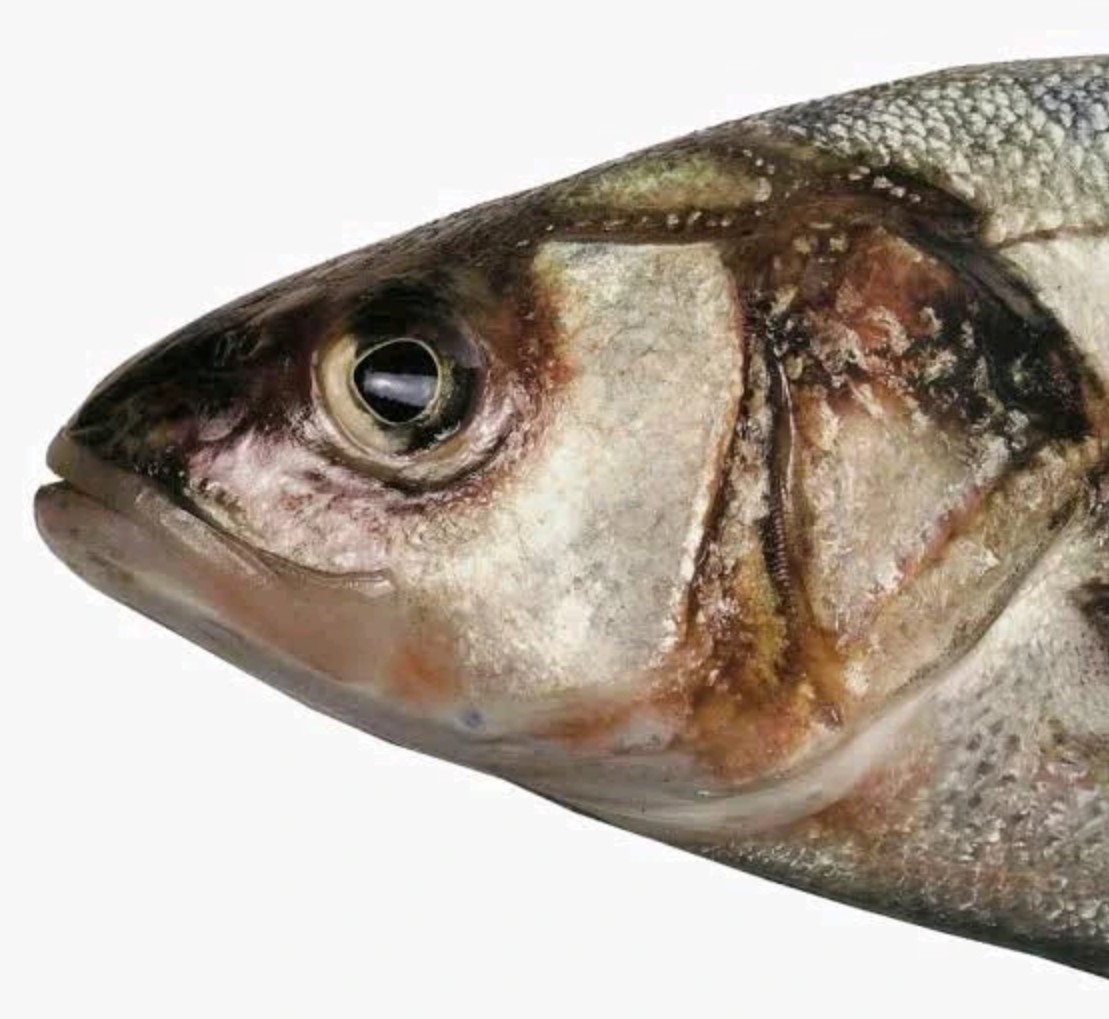
The topic of whether to consume the head of a fish is a matter of personal preference and cultural norms. Some people choose to eat the head of a fish due to its flavor, texture, and the perception that it contains valuable nutrients. However, it’s essential to recognize the potential benefits and drawbacks associated with this practice.
Firstly, consuming the head of a fish can provide additional nutrients like omega-3 fatty acids and minerals, including calcium and phosphorus. These nutrients are beneficial for brain health, as omega-3 fatty acids are known to support cognitive function and reduce the risk of neurological disorders.
On the other hand, there are concerns about the potential presence of heavy metals, such as mercury, in the fish’s head. Mercury is known to have toxic effects on the nervous system, and consuming fish with high mercury levels can pose risks, especially for pregnant women and young children.
To make an informed decision, it is crucial to consider the source of the fish and its potential mercury contamination. Different types of fish have varying mercury levels, with larger predatory fish tending to accumulate more mercury. Consulting local health guidelines and advisories can provide valuable information on safe consumption practices.
Ultimately, the decision to eat the head of a fish should be based on personal preference, cultural norms, and consideration of potential health risks. It’s always wise to consume fish in moderation and adopt a balanced diet that includes a variety of foods to ensure optimal brain health.