
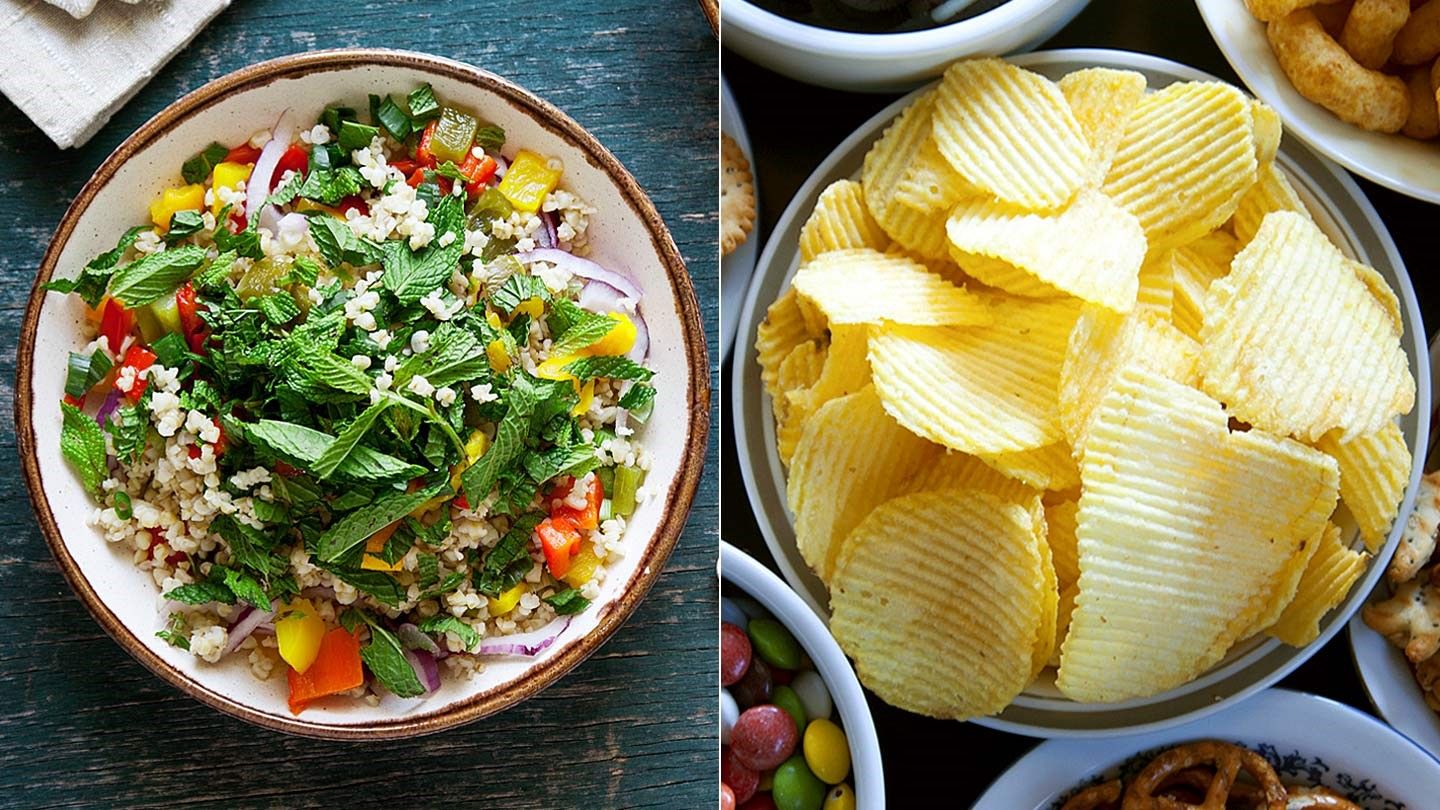
The Best and Worst Type 2 Diabetes Choices by Food GroupAs you pick the best foods for type 2 diabetes, here’s a helpful guideline from the NIDDK to keep in mind: Fill one-half your plate (use a 9-inch dish for reference) with nonstarchy vegetables.
When planning your meals, aim to have a balanced plate with equal portions of four main food groups. One-quarter of your plate should contain protein from sources like meat or plant-based options. Another quarter should be a grain or starch, which can come from starchy vegetables, fruit, or a small glass of milk. It’s important to avoid processed and sugary foods as they are unhealthy carbs that can negatively impact diabetes. Examples of processed and sugary foods to limit include soda, candy, and packaged snacks like corn or potato chips.
While artificial sweeteners like those found in diet sodas won’t necessarily spike your blood sugar in the same way as white sugar, they could still have an effect on your blood sugar and even alter your body’s insulin response. One study found that when 17 obese, non-insulin-resistant people ingested a beverage treated with the artificial sweetener sucralose (sold as Splenda) before taking a standardized dose of glucose, their blood sugar and insulin levels rose more than when they drank plain water. On the other hand, one meta-analysis found that artificial sweeteners didn’t increase blood sugar levels. More research is needed to determine how artificial sweeteners affect people with diabetes.
For now, here’s what you need to know about choosing the most diabetes-friendly foods from each food group.RELATED: 9 Sugar Substitutes to Consider When Managing Type 2 DiabetesWhat Foods High in Protein Are Good for Type 2 Diabetes?The ADA recommends lean proteins low in saturated fat for people with diabetes. If you’re following a vegan or vegetarian diet, you can rely on foods like beans (dried or canned beans and bean products like hummus and falafel), nuts and nut spreads, tempeh, and tofu to get your fix, notes the Cleveland Clinic. Just be sure to keep portion size in mind when snacking on nuts, as they are also high in fat and calories, according to Harvard Health Publishing.
The American Heart Association (AHA) counts a small handful, or roughly 1.5 ounces (oz), of whole nuts as one serving. If you opt for unsalted almonds, 1.5 oz will provide 255 calories and nearly 23 g of fat, per estimates from the U.S. Department of Agriculture (USDA).Meanwhile, processed or packaged foods should be avoided or limited in your diabetes diet because, in addition to added sugars and processed carbohydrates, these foods are often high in sodium, according to the AHA. Getting too much sodium in your diet can increase your blood pressure and, in turn, the risk of heart disease or stroke, notes Harvard T.H. Chan School of Public Health. And heart disease and stroke are two common complications of diabetes, according to the Mayo Clinic. It’s important to keep your blood pressure in check when managing diabetes.
In addition to getting enough fiber, incorporating protein-rich foods in your diet can help keep you satiated and promote weight loss, per research. Losing just 5 percent of body weight has been shown to improve blood sugar control in overweight and obese individuals with type 2 diabetes, according to another review.
The best options, according to the ADA, include: Fish high in omega-3 fatty acids, such as salmon, sardines, Albacore tuna, mackerel, and rainbow troutShellfish, including clams, crab, imitation shellfish, lobster, scallops, shrimps, and oystersSkinless turkeySkinless chickenBeans and legumesCottage cheeseNuts and nut spreads, like almond butter (in moderation)Whole eggsTofuThe worst options, per the Mayo Clinic, the ADA, and the NIDDK, include: Many deli types of meat, like bologna, salami, ham, and roast beef (turkey is an acceptable option)Hot dogsSausages and pepperoniBeef jerkyBaconSweetened or flavored nuts, like honey-roasted or spicySweetened protein shakes or smoothiesRELATED: 7 Immune-Boosting Foods for People With DiabetesContrary to popular belief, not all carbs are off-limits if you’re managing diabetes.
In fact, the ADA recommends vitamin-rich whole grains in a healthy diabetes diet. These foods contain fiber, which is beneficial for digestive health. Fiber can also promote feelings of fullness, preventing you from reaching for unhealthy snacks, and it can help slow the rise of blood sugar, according to a study published in 2021. Plus, whole grains contain healthy vitamins, minerals, and antioxidants that are healthy for anyone, regardless of diabetes status.
On the other hand, grains in the form of popular foods such as white bread, as well as sugary, processed, or packaged grains, should be avoided or limited to help prevent unwanted blood sugar spikes. Also, while some refined white flour is enriched — meaning B vitamins and iron that were removed during the milling process get added back in — it doesn’t contain the fiber that whole grains do, warns the USDA. Dietary fiber slows the breakdown of starch (a type of carb) into glucose (sugar), which helps keep blood sugar levels steady, according to Harvard T.H. Chan School of Public Health. Just keep in mind that while Harvard lists whole grains as one of the healthiest sources of carbs, it’s still important to keep tabs on your overall carb count and practice portion control to keep your blood sugar level steady, according to the NIDDK.
The best options (in moderation), per the ADA and the NIDDK, include: Wild or brown riceQuinoaBarleyWhole-grain pieces of bread, such as 100 percent whole-wheat bread (check that each slice offers at least 3 g of fiber)Whole-grain cereal, such as steel-cut oatsWhole-wheat pastaThe worst options, per the Mayo Clinic and the ADA, include: White breadPastriesSugary breakfast cerealsWhite rice white pastaRELATED: How Do You Tell the Difference Between Good and Bad Carbs? Which Types of Dairy Can People With Diabetes Eat? When picked well and eaten in moderation, dairy can be a great choice for people with diabetes. A review published in 2023 revealed that dairy products such as milk and yogurt offer protective benefits against type 2 diabetes.
Whenever possible, opt for low-fat and fat-free dairy options to keep calories down and unhealthy saturated fats at bay. Also, try to avoid flavored dairy, such as milk and yogurt, without added sugar. The best options, per the ADA and the Mayo Clinic, include: Nonfat plain Greek yogurtNonfat, low-sodium cottage cheese reduced-fat cheese (in moderation)Nonfat, unsweetened kefirSkim milkAnd the ADA and Mayo Clinic list these among the worst options: Full-fat or reduced-fat (2-percent) milk, especially chocolate or other flavored milk full-fat cottage cheese full-fat or sweetened yogurt full-fat cheese full-fat, sweetened kefirRELATED:
Yogurt for Diabetes: Is One Type Better Than Another? What Vegetables Are Good for People With Diabetes, and Which Aren’t? Vegetables are an important food group to include in any healthy diet, and a diabetes diet is no exception. Veggies are full of fiber and nutrients, and nonstarchy varieties are low in carbohydrates — a win for people with diabetes who want to gain control over their blood sugar level, Massey says.
As for packaging, frozen veggies without sauce are just as nutritious as fresh, and even low-sodium canned veggies can be a good choice if you’re in a pinch. Just be sure to watch your sodium intake to avoid high blood pressure, and consider draining and rinsing salted canned veggies before eating, per the ADA. If possible, opt for low-sodium or sodium-free canned veggies if going that route. Follow this general rule: Aim to fill one-half of your plate with nonstarchy veggies, as recommended by the NIDDK. And if you’re craving mashed white potatoes, try mashed cauliflower, Massey suggests. The best veggie options, according to the ADA, include: Dark, leafy greens, like spinach, kale, and Swiss chardCruciferous veggies, like broccoli and cauliflowerCucumbersAsparagusJicamaBrussels sproutsOnionsArtichoke heartsPeppersBeetsRELATED:
What’s the Best Way to Prep Veggies if You Have Diabetes? Aim to fill one-quarter of your plate with starchy veggies, which count toward your daily carb goal. Veggies to enjoy in moderation, as the ADA notes, include: CornWhite potatoesSweet potatoesYamsWinter squash, such as pumpkin, acorn squash, and spaghetti squashPeasRELATED: Sweet Potatoes vs. White Potatoes: How Do They Compare? What Fruits Are Good for Diabetes, and Which Should You Avoid? Fruit often gets a bad rap due to its carb content, but this food group can actually be great in a diabetes diet when chosen wisely and eaten in moderation.
In particular, fruit can be a great replacement for unhealthy processed sweets, such as pastries, cakes, and cookies, while providing disease-fighting antioxidants, vitamins, minerals, and satiating fiber to boot. But just as with grains, it’s important to roll out your carb-counting skills when noshing on nature’s candy. The ADA notes that a small piece of whole fruit or ½ cup of canned or frozen fruit typically contains 15 g of carbs, while fruit juice — a less ideal source of fruit for diabetes — can have that much in 1/3 to ½ cup. Also, dried fruit may not be the best way to get your fix. Because so much water is removed, a serving of this variety is much smaller and usually less filling than whole fruit — the ADA warns that just 2 tablespoons (tbsp) of raisins contain the same 15 g of carbs that a small piece of whole fruit contains! The same goes for canned fruit: This variety often contains sugary syrup at a high concentration, which should be avoided at all costs.
Instead, look for terms like “packed in its own juices,” “unsweetened,” or “no added sugar,” the ADA says. Trendy juices are similarly less than ideal, as they’re stripped of the beneficial fiber that you’d find in whole fruit with the skin on. But some pleasant news: When consumed in moderation and made with whole ingredients and no added sugar, fruit smoothies can be a good food for diabetes. Consider stocking your fridge with unsweetened frozen fruit so you can whip up one in a hurry for breakfast, and in each smoothie, add no more than 1 cup of fruit to keep carbs under control. Adding ingredients with protein, such as yogurt or a small amount of nut butter, will also help your body break down the carbohydrates more slowly, leading to less of a spike in blood sugar.
When in doubt, consult the glycemic load (an index that can help you measure how much a serving of a certain food is likely to spike your blood sugar) to pick a diabetes-friendly fruit. Your healthcare team can also help you safely incorporate fruit in your diabetes diet.You have many fruit choices at your disposal, according to the ADA. The best options for fruit include: The worst options, as the NIDDK and the ADA point out, include:Dried fruitPackaged juicesCanned fruit in syrupRELATED: The Best Fiber-Rich Foods for People With DiabetesWhat Sources of Fat Are Good and Bad for Diabetes? Fat may not be your enemy when it comes to healthy eating for diabetes. One meta-analysis noted that getting enough of the right kind of fat can ultimately help you lower insulin resistance and attain better control over your blood sugar. The key is knowing how to tell good fat from bad fat.
The monounsaturated fats found in avocados, almonds, and pecans or the polyunsaturated fats found in walnuts and sunflower oil, which can help lower LDL (“bad”) cholesterol, are great picks when eating for type 2 diabetes, according to the ADA.
Meanwhile, saturated fats and trans fats can harm your heart and overall health, according to the AHA. To spot trans fats, look for the term “hydrogenated,” or “partially hydrogenated oils” on labels of processed foods, such as packaged snacks, baked goods, and crackers. “I always tell my clients to double-check the ingredient list to make sure they don’t see any partially hydrogenated oil in their food products,” Massey says.The best options, per the ADA, include: AvocadosNuts, like almonds, cashews, pecans, walnuts, and peanutsNut buttersOlivesPlant-based oils, like soybean oil, corn oil, olive oil, and sunflower oilSeeds, like flaxseed and chia seedFish, like salmon and tunaTofuRELATED: 5 ‘Low-Fat’ Foods That Are Making It Harder to Control DiabetesThe worst options, per the ADA, include: Fast foodBeef, hot dogs, sausage, bacon, spareribs, and salt porkFull-fat dairy productsCoconut and palm oil packaged snacks, like crackers, corn chips, and potato chips processed sweets, like doughnuts, cakes, cookies, and muffinsStick margarine and butterAdditional reporting by Lauren Bedosky.