
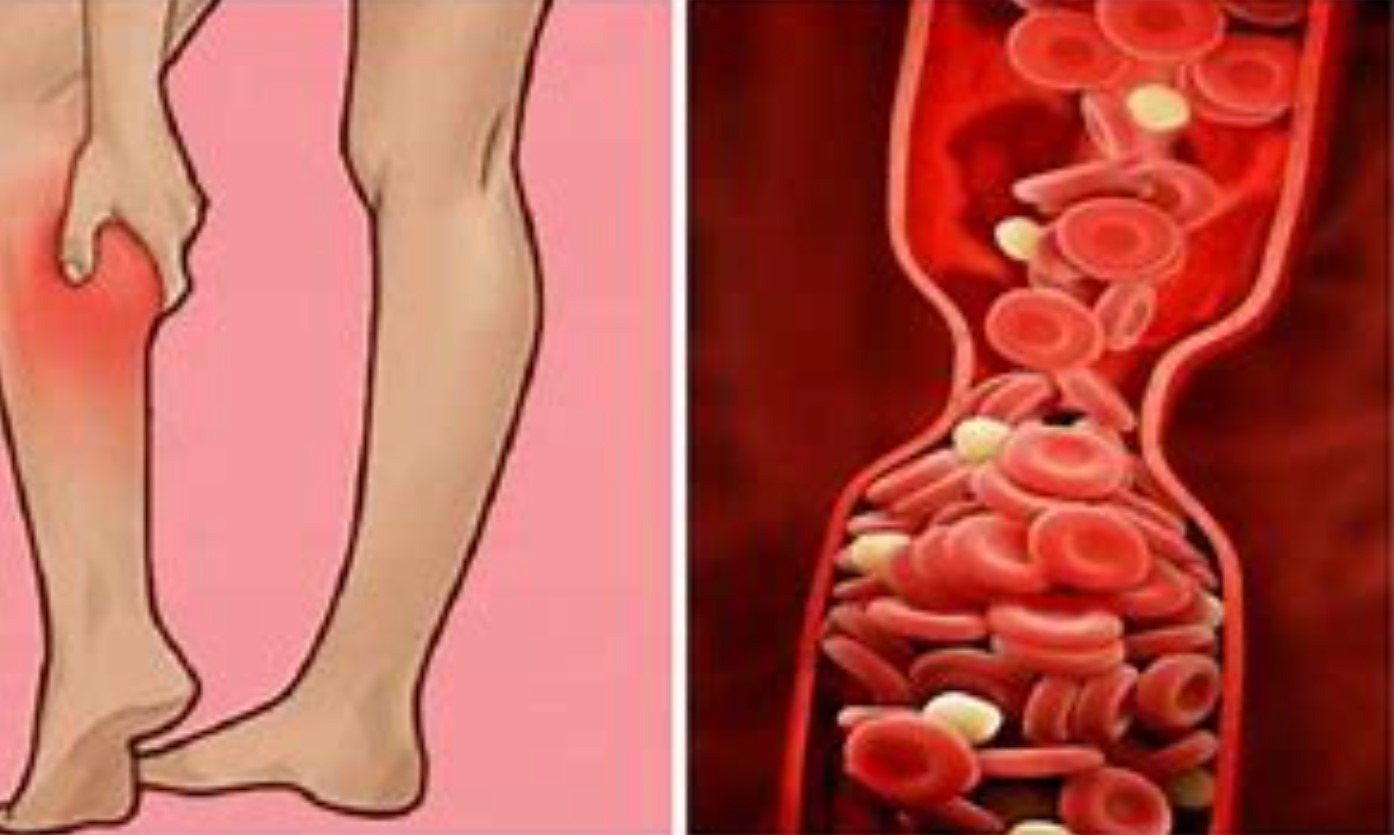
Blood clots can be a serious medical condition, and it’s important to be aware of the warning signs and symptoms that should not be ignored. If you experience any of the following symptoms, seek medical attention promptly, as they could be indicative of a blood clot:
Swelling: Sudden or unexplained swelling in one limb, often in the leg, can be a sign of a deep vein thrombosis (DVT), a type of blood clot.
Pain or Tenderness: Pain, tenderness, or cramping in the affected area, such as the calf or thigh, can be a symptom of a DVT. The pain may worsen when walking or standing.
Redness and Warmth: The skin over the area where the clot has formed may become warm, red, and visibly inflamed.
Skin Discoloration: The skin may become discolored, often taking on a bluish or pale appearance in the affected area.
Vein Visibility: In some cases, you may be able to see the clot through the skin. It may appear as a cord-like, firm, and swollen vein.
Chest Pain and Shortness of Breath: A blood clot that travels to the lungs is called a pulmonary embolism (PE). Symptoms may include sudden chest pain that worsens when breathing deeply, rapid heartbeat, shortness of breath, and coughing up blood.
Unexplained Cough: A persistent cough, especially if it produces blood, maybe a symptom of a PE.
Confusion or Changes in Mental State: In cases of PE, you may experience confusion, dizziness, or a change in mental state due to reduced oxygen in the blood.
Fainting: A PE can lead to fainting or loss of consciousness.
It’s important to note that the symptoms of a blood clot can vary depending on its location and severity. Some individuals may not experience any noticeable symptoms until a clot becomes life-threatening. If you are at higher risk for blood clots due to factors such as a history of clotting disorders, recent surgery, prolonged immobility, or certain medical conditions, it’s especially important to be vigilant and seek medical attention if you suspect a blood clot.
If you suspect a blood clot or experience any of these symptoms, it’s essential to contact a healthcare provider or seek emergency medical care promptly. Early diagnosis and treatment are crucial in managing and preventing potentially life-threatening complications associated with blood clots.