
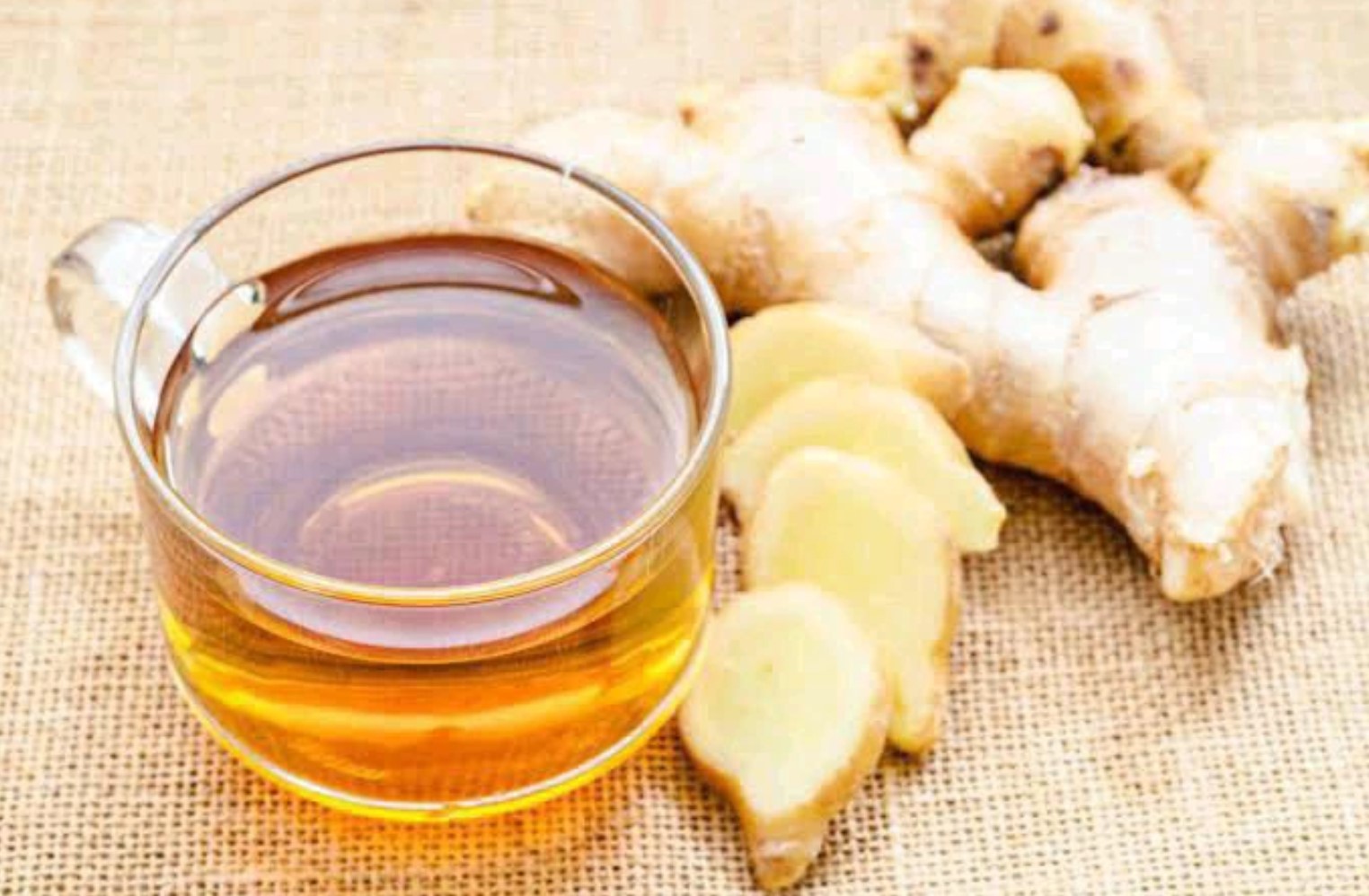
Ginger water, a simple concoction made by chopping and boiling fresh ginger root in water, is often touted for its potential health benefits. While it’s a popular traditional remedy, scientific evidence supporting its efficacy, particularly for the common cold, is limited. However, there are several potential advantages to incorporating ginger water into your diet.
Firstly, ginger water may help lower symptoms of inflammation. Inflammation is associated with allergic reactions and post-exercise muscle discomfort. Some evidence suggests that ginger possesses anti-inflammatory properties, which can be advantageous for those dealing with allergies and exercise-related pain.
Secondly, ginger water is believed to be beneficial for addressing acid reflux and motion sickness. Ginger has a long history of use for its anti-nausea and digestive properties. Drinking ginger water might aid in reducing nausea and enhancing digestion, but more research is needed to solidify these claims.
Additionally, ginger water may contribute to lowering cholesterol levels, which are key risk factors for cardiovascular disease. Regular consumption of ginger water could potentially help manage “bad” cholesterol and triglycerides, thus reducing the risk of heart-related issues.
It’s essential to exercise moderation when incorporating ginger water into your daily routine, as excessive consumption can lead to adverse effects such as stomachaches, mouth and throat irritation, and increased flatulence. Ginger water should complement rather than replace professional medical care.
In summary, ginger water can be a quick and easy home remedy with potential health benefits. It may aid in reducing inflammation, alleviating nausea, and managing cholesterol levels. If you choose to include ginger water in your wellness routine, it’s advisable to consult with a healthcare professional to ensure it aligns with your specific health needs. As part of a balanced lifestyle, ginger water can be a valuable addition.