
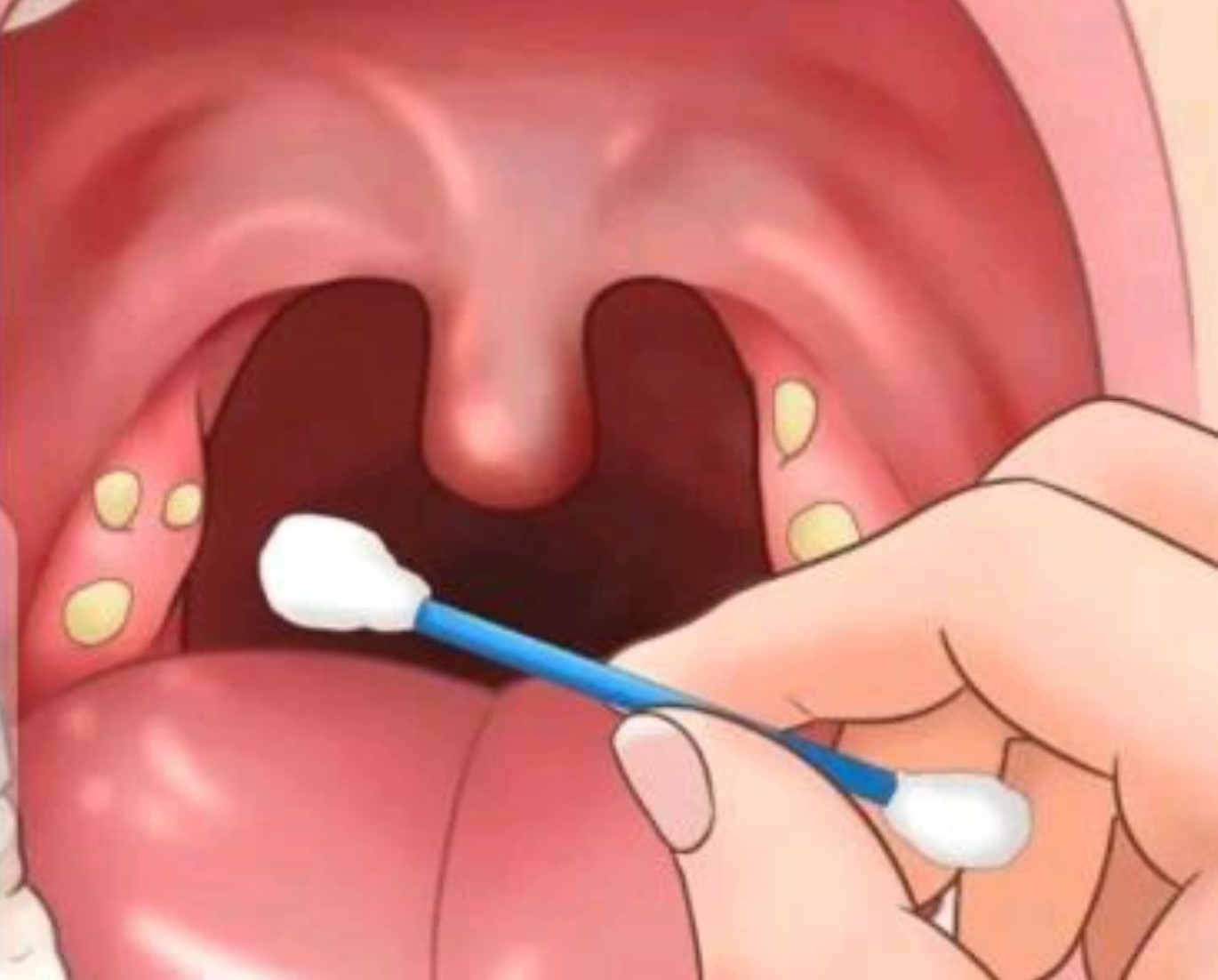
It’s possible for a person who reports a sore throat and a cough to expel a small calcified substance, such as a stone, from their mouth. These stones often have a loss of color and a bad smell. They can cause pain and infection in the throat. Tonsiloliths form due to the buildup of bacteria and food debris in the tonsils. When they mature, they can strengthen the immune system by attracting white blood cells to the oral cavity, helping to fight infections.
The presence of tonsil stones can obstruct the posterior pharynx, causing dysphagia and impeding the expulsion of food debris. This can result in a bad smell emanating from the mouth. Although people can eat tonsil stones without experiencing significant problems, it’s important to note that their consumption has been associated with the development of dental caries, gum disease, and various other health complications. Tonsilloliths, especially those of large size, are a proven cause of chronic halitosis that remains unaffected by regular oral hygiene practices. Individuals in need of dental treatment should seek the necessary care.
According to Healthline, tonsil stones, also called tonsilloliths, are a common problem, although their detection is not always straightforward. Tonsilloliths can cause various symptoms, including unpleasant oral odor, pain in the throat region, difficulty swallowing, pain or discomfort in the ears, chronic cough, and the presence of white or yellow-colored particles on the tonsils. Tonsillitis refers to the medical condition characterized by the inflammation of the tonsils.
There is a lack of empirical evidence supporting the belief that tonsil stones can spread infections. Previous studies have shown the reliability of biofilm, which constitutes the primary component of tonsil stones. The formation of oral biofilms is a result of the complex interaction between the indigenous bacteria and fungi present in the oral cavity and the chemical milieu of the mouth. The combination shows adhesive properties when in contact with a wet surface.
It is possible to extract calcified deposits, commonly called tonsil stones, from the crevices of the tonsils by allowing them to dry out. Plaque is a naturally occurring biofilm found in the oral cavity. There is a hypothesis suggesting that biofilms may play a role in the development of caries and periodontal disease.