
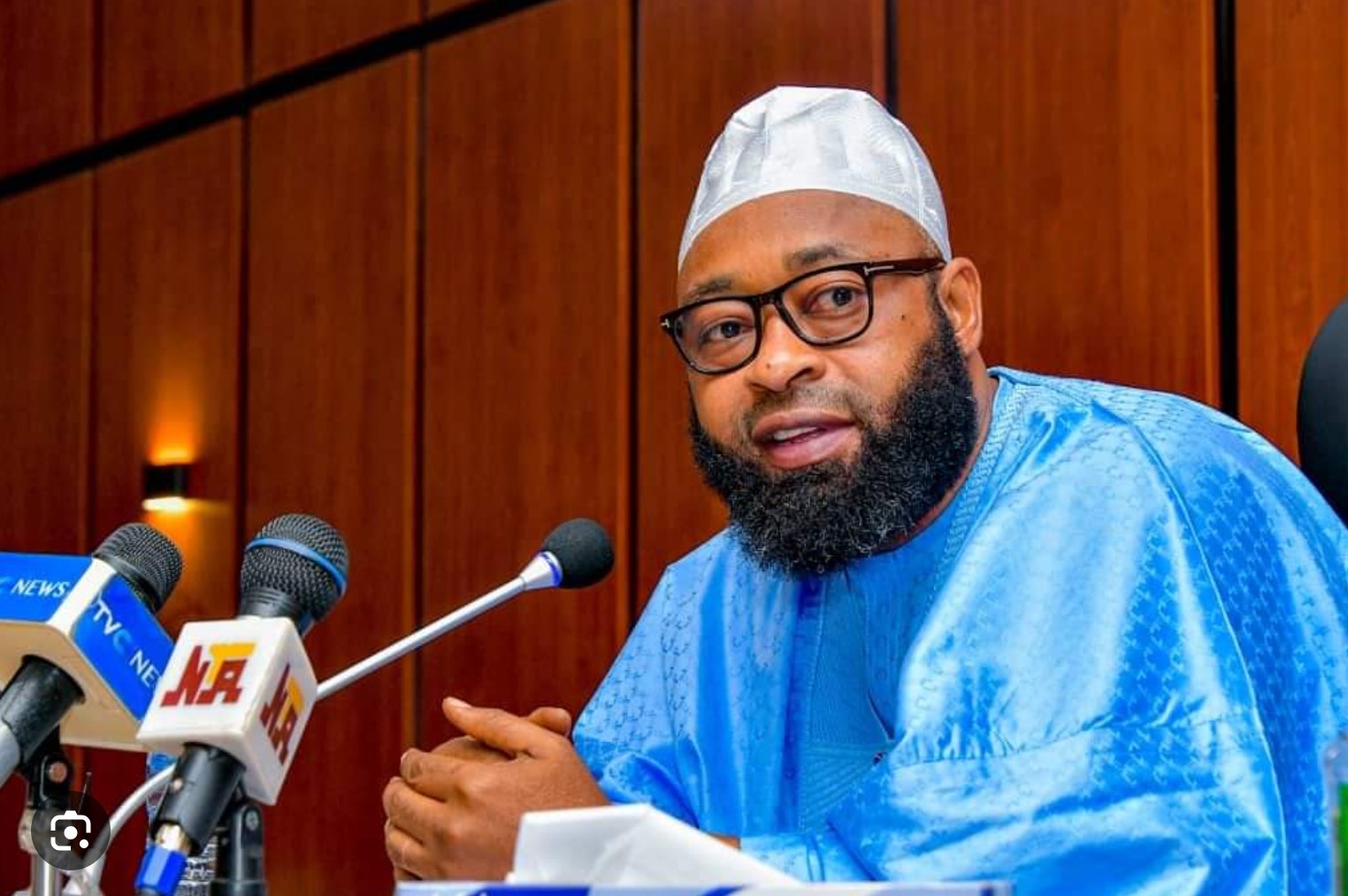
Governor Umar Bago of Niger State has called on Nigerian journalists to do more to mainstream climate change in the same way they prioritize political reporting.
Bago said this on Friday during a climate change training session organized by the House of Representatives Press Corps in Minna, Niger State capital.
The training had as its theme: “The role of the media in the incorporation of climate change policies.”
The governor, represented by his deputy governor, Yakubu Garba, said climate change is one of the biggest issues facing nations today, and the Nigerian media must play its role in educating the people.
“Unfortunately, it seems that some of these disasters are not even reported. Perhaps the media is not sufficiently prepared to address this issue. I believe that as journalists reporting from parliament, where laws are made, it is essential that we acquire the skills and tools necessary to mainstream climate change.
“This may allow you to set an agenda for the Legislature and, indeed, the Executive. I hope that at the end of this retreat, you will all be in a better position to inform, educate and enlighten society about the implications of climate change. That is why I invite you to show more interest in climate change issues. “Don’t just focus on reporting on politics, but also pay due attention to climate change because it directly affects human well-being and living conditions,” he said.
Bago, a former member of the House of Representatives, said the state will host a climate change summit in the coming days ahead of the COP 28 conference in the United Arab Emirates.
“The Niger State Government, under my leadership, is prioritizing climate change to mitigate natural and man-made disasters. This informs the decision to call a Green Economy Summit. Since I took office, we have upped the ante on informing the public about preventive measures to save lives and reduce damage to property and infrastructure,” he said.
Sam Onuigbo, former member of the House of Representatives, who sponsored the Climate Change Act, said section 20 of the constitution requires the government and citizens to protect the environment, including land, air and sea.
“Climate change is not something abstract, it is real,” Onuigbo said, adding that it “affects people’s lives.”
Mr Onuigbo explained that the Climate Change Act was designed to have a national council and representatives from the Nigerian Governors Forum (NGF), women groups and others because the impact of climate change extends even to the sub-national.
“The National Security Advisor and the NGF sit on the board of the Climate Change Commission because climate change affects everyone. Climate change extends even to the subnational level. Hence the subnational is involved,” he stated.
The Climate Change Act was signed into law by former President Muhammadu Buhari in 2021.
In her remarks, Press Corps President Grace Ike assured governors that journalists will heed the advice and rise to the challenge of focusing attention on climate change.
“As we all know, climate change has impacted our lives in different ways. This has altered our environment and ecosystem. Interestingly, the government is also coming up with several policies to mitigate the effects of climate change not only for Niger State but globally.
“Therefore, it is our responsibility as journalists to properly communicate and disseminate this information. By doing so, we will all be on the same page,” he stated.
Among the session facilitators was Mboho Eno, deputy director of the Center for Innovation and Development of Journalism (CJID), Uche Anunne, Assistant Editor-in-Chief, New Agency of Nigeria and others.