
Intestinal worms, also known as intestinal parasites, are a health concern in many parts of the world. These parasitic infections can lead to a range of symptoms, including abdominal pain, diarrhea, and nutritional deficiencies. While modern medicine offers effective treatments for intestinal worms, traditional and natural remedies have been used for centuries to combat these parasites. In this essay, we will explore various natural foods and remedies that are believed to have anti-parasitic properties and may help in treating intestinal worms. We will discuss the key ingredients in these remedies, the types of worms or parasites they are thought to combat, methods of consumption, and any potential side effects.
1. Garlic: Nature’s Anti-Parasitic Bulb
Garlic (Allium sativum) is renowned not only for its culinary uses but also for its potential medicinal properties. Among its many health benefits, garlic is believed to have anti-parasitic properties, making it a popular choice in traditional remedies for treating intestinal worms.
What Garlic Contains:
The active compound in garlic responsible for its pungent odor and potential therapeutic effects is allicin. Allicin is a sulfur-containing compound with antimicrobial properties, and it is thought to be the key component that may help combat intestinal parasites.
Types of Worms or Parasites Garlic May Help With:
Garlic is often recommended for various types of intestinal worms, including roundworms (nematodes) and pinworms (Enterobius vermicularis). These parasites can infest the human gastrointestinal tract and lead to symptoms like abdominal pain and itching around the anus.
How to Take Garlic:
Garlic can be consumed in various forms to help combat intestinal worms. One of the most common methods is to consume it raw, either as a whole clove or crushed. Alternatively, garlic can be incorporated into your meals, adding flavor and potential health benefits to your dishes.
Potential Side Effects:
Garlic is generally safe when consumed in moderate amounts. However, excessive consumption may lead to digestive discomfort, such as heartburn and flatulence. Some individuals may also experience bad breath as a side effect of consuming garlic.
2. The Healing Power of Turmeric
Turmeric (Curcuma longa), a bright yellow spice commonly used in Asian cuisine, has been revered for its potential medicinal properties. The active compound in turmeric, curcumin, has gained attention for its anti-inflammatory and antioxidant properties. In addition to these well-known benefits, turmeric is also believed to have anti-parasitic properties.
What Turmeric Contains:
Curcumin, the primary bioactive compound in turmeric, is responsible for its vibrant color and therapeutic potential. Curcumin has shown anti-inflammatory, antioxidant, and potential anti-parasitic effects.
Types of Worms or Parasites Turmeric May Help With:
While the evidence for turmeric’s efficacy against parasites is somewhat limited, it is thought to be beneficial against some parasitic infections. This includes potential effectiveness against intestinal parasites, but more research is needed to establish conclusive evidence in this regard.
How to Take Turmeric:
Incorporating turmeric into your diet can be as simple as adding it to your meals. You can use turmeric powder as a spice, create turmeric-based sauces, or make the popular “golden milk” by mixing turmeric with milk and other ingredients. Turmeric supplements are also available.
Potential Side Effects:
Turmeric is generally safe when consumed in reasonable amounts. However, some individuals may experience stomach upset or diarrhea when consuming large quantities. It’s essential to be mindful of your intake, especially when using turmeric supplements, which can contain concentrated curcumin.
3. Raw Pumpkin Seeds: Nature’s Parasite Expellers
Pumpkin seeds have been consumed and used in traditional medicine for centuries. In the context of anti-parasitic remedies, raw pumpkin seeds have gained attention for their potential to expel and combat intestinal worms.
What Raw Pumpkin Seeds Contain:
Pumpkin seeds contain various compounds, including cucurbitin, which is thought to have anti-parasitic properties. Cucurbitin is believed to paralyze and expel worms from the digestive tract.
Types of Worms or Parasites Raw Pumpkin Seeds May Help With:
Raw pumpkin seeds are often used as a natural remedy for tapeworms and other intestinal parasites. These parasites can cause digestive disturbances and nutrient absorption issues in the host.
How to Take Raw Pumpkin Seeds:
Consuming raw pumpkin seeds is relatively simple. You can eat a handful of them daily, or for a different approach, you can grind them into a powder and mix the powder with honey or water to create a mixture that can be consumed.
Potential Side Effects:
Raw pumpkin seeds are generally safe for most people. However, consuming them in excess may lead to mild digestive discomfort, such as bloating or gas. Moderation is key when using raw pumpkin seeds as an anti-parasitic remedy.
4. Cucumber Seeds: A Lesser-Known Anti-Parasitic Option
Cucumber seeds are not as commonly recognized for their anti-parasitic properties as some of the other remedies on this list, but they have been used in certain traditional practices for their potential to combat intestinal parasites.
What Cucumber Seeds Contain:
Cucumber seeds, like pumpkin seeds, contain cucurbitin, which is believed to have anti-parasitic properties. This compound is thought to be responsible for the potential therapeutic effects of cucumber seeds against intestinal parasites.
Types of Worms or Parasites Cucumber Seeds May Help With:
Similar to raw pumpkin seeds, cucumber seeds are often suggested for treating tapeworms, as well as other intestinal parasites.
How to Take Cucumber Seeds:
Consuming cucumber seeds is straightforward. You can eat a handful of raw cucumber seeds, or you can grind them into a powder and mix the powder with honey or water for more palatable consumption.
Potential Side Effects:
Cucumber seeds are generally safe for most individuals, but consuming them in excessive quantities may lead to mild digestive discomfort, such as bloating or gas. As with other natural remedies, moderation is advised.
5. Papaya: A Tropical Fruit with Anti-Parasitic Potential
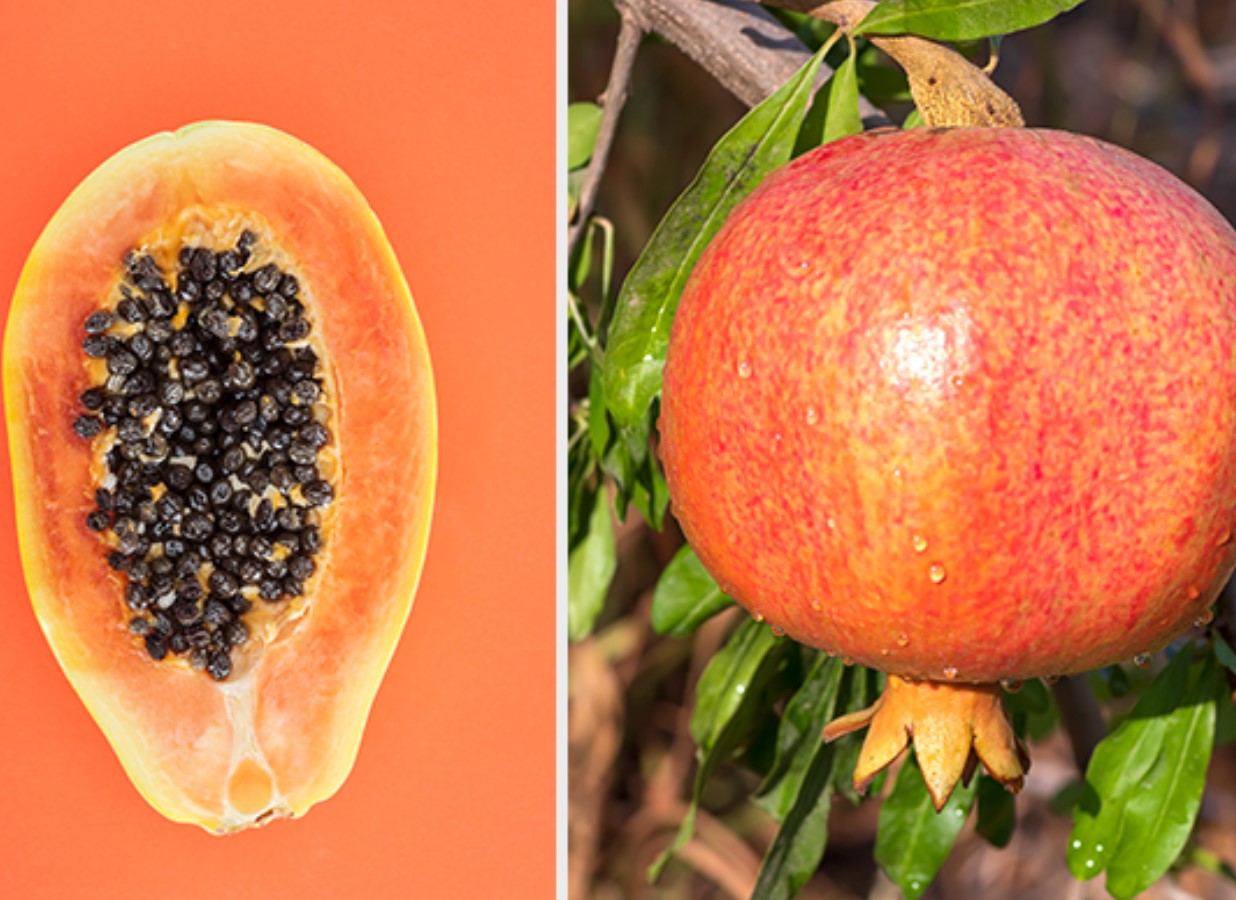
Papaya (Carica papaya) is a tropical fruit known for its delicious flavor and abundant health benefits. Among these benefits, papaya is believed to possess anti-parasitic properties, particularly through the use of papaya seeds.
What Papaya Contains:
Papaya seeds contain an enzyme known as papain, which is believed to have anti-parasitic properties. Papain has been used traditionally to help break down and eliminate intestinal parasites.
Types of Worms or Parasites Papaya May Help With:
Papaya seeds are thought to be effective against a range of intestinal parasites, with particular emphasis on roundworms. These parasites can cause a variety of gastrointestinal symptoms when present in the digestive tract.
How to Take Papaya:
To use papaya as an anti-parasitic remedy, you can consume ripe papaya fruit, which is not only delicious but also offers potential therapeutic benefits. Alternatively, you can eat papaya seeds directly, usually by chewing a small amount after a meal. Some people prefer to grind the seeds into a powder and mix them with honey for a more palatable option. In addition to consuming papaya seeds, papaya fruit itself is highly nutritious and can be enjoyed as a part of your regular diet.
Potential Side Effects:
Papaya and papaya seeds are generally safe for most people when consumed in moderation. However, some individuals may experience digestive discomfort or an upset stomach, especially when consuming large quantities of seeds. If you’re pregnant or nursing, it’s advisable to consult with a healthcare professional before using papaya seeds or other herbal remedies.
6. Apple Cider Vinegar: A Versatile Home Remedy
Apple cider vinegar (ACV) is a popular home remedy with a wide range of purported health benefits. While it might not be as well-documented as some of the other remedies on this list, some people believe that ACV can help combat intestinal parasites.
What Apple Cider Vinegar Contains:
Apple cider vinegar is made by fermenting apple juice, which creates acetic acid. This acetic acid is the primary active component in ACV, and it is believed to have various health-promoting properties.
Types of Worms or Parasites Apple Cider Vinegar May Help With:
Apple cider vinegar is not commonly associated with a specific type of parasite but is generally considered a potential natural remedy for maintaining overall gut health.
How to Take Apple Cider Vinegar:
There are several ways to consume apple cider vinegar. The most common method is to dilute it with water and drink it as a tonic. A popular recommendation is to mix 1-2 tablespoons of apple cider vinegar with a glass of water and consume it before meals. Some people also incorporate ACV into their salad dressings or other culinary applications.
Potential Side Effects:
Apple cider vinegar is generally safe when diluted. However, undiluted ACV can be very acidic and may cause irritation or discomfort when consumed in concentrated form. It’s important to dilute it and monitor your body’s response. If you experience any adverse effects, discontinue use.
7. Berries: A Source of Anthelmintic Compounds
Various types of berries, such as blackberries, blueberries, and raspberries, contain compounds that may have anthelmintic properties. Anthelmintic compounds are substances that can help expel or destroy parasitic worms.
What Berries Contain:
Berries are rich in anthelmintic compounds, including tannins and flavonoids. These natural compounds may help in combating certain types of parasites.
Types of Worms or Parasites Berries May Help With:
While berries are not a specific remedy for intestinal parasites, their consumption is generally considered beneficial for maintaining overall gut health. The anthelmintic properties may contribute to this aspect of berry consumption.
How to Take Berries:
Berries can be consumed fresh, frozen, or in various culinary preparations, such as smoothies, jams, or simply as a topping for yogurt or cereal. Incorporating a variety of berries into your diet can be a delicious way to support gut health.
8.Sunflower Seeds: A Nutrient-Rich Option
Sunflower seeds are not typically associated with anti-parasitic properties, but they are nutrient-dense and offer a range of health benefits, including support for overall gut health. Sunflower seeds are rich in essential nutrients, including vitamins, minerals, and healthy fats. While they may not be considered a direct anti-parasitic remedy, the nutritional content can help support your body’s overall health.
Types of Worms or Parasites Sunflower Seeds May Help With:
Sunflower seeds are not specifically targeted at any particular type of intestinal parasite. However, a well-balanced diet that includes nutrient-rich foods like sunflower seeds can contribute to maintaining a healthy gut.
How to Take Sunflower Seeds:
Sunflower seeds can be consumed as a snack or added to various dishes, including salads, cereals, or yogurt. They can also be used in baking or as a topping for baked goods.