
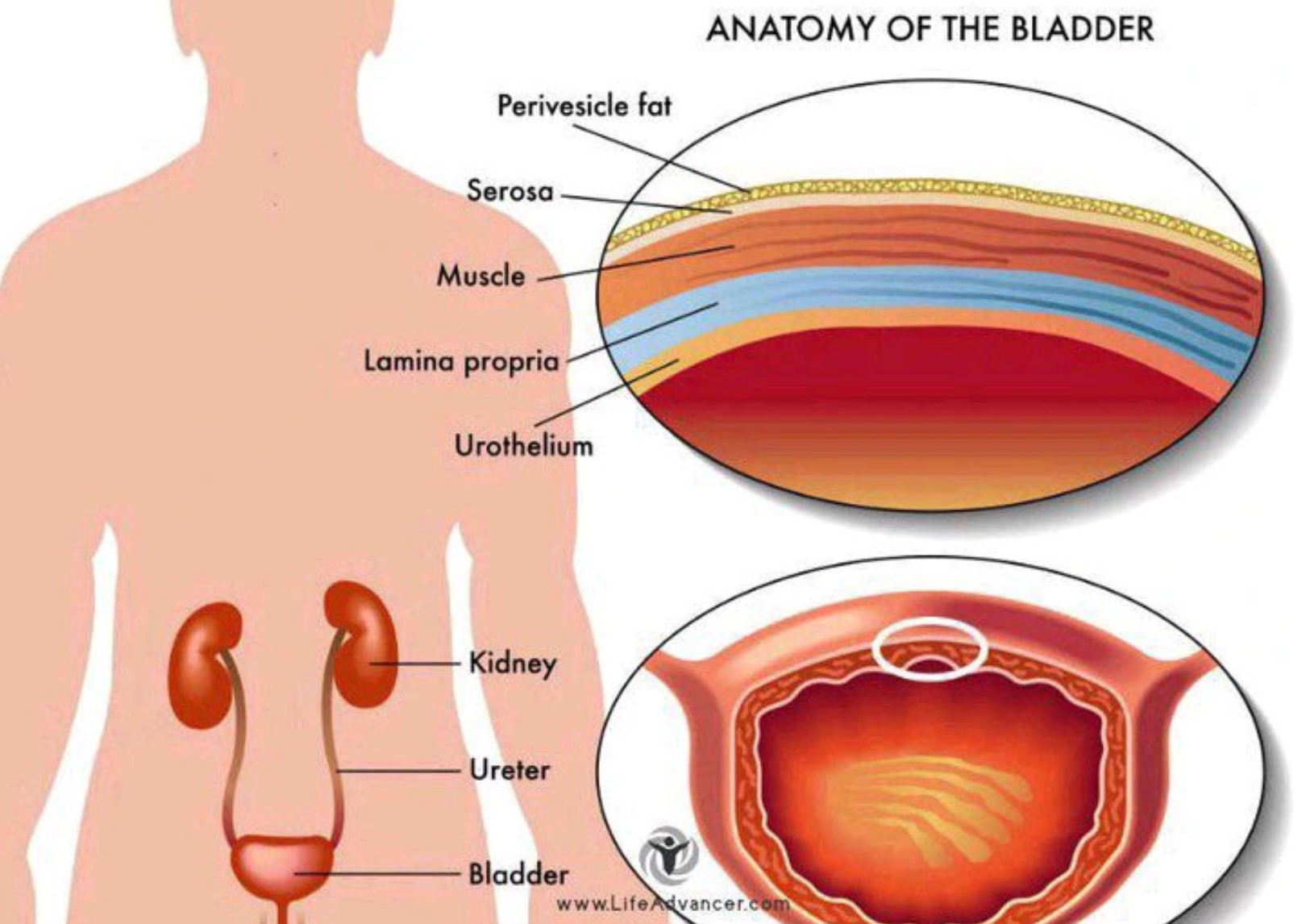
Understanding Frequent Urination: Causes and Solutions
Frequent urination, particularly at night, can be a challenging issue affecting many people. Typically, a person produces about thirty percent less urine while sleeping, allowing for uninterrupted sleep of six to eight hours without the need to visit the bathroom. However, for some, nighttime bathroom trips can disrupt sleep. This article delves into the causes of frequent urination and potential solutions to address this common concern.
Causes of Frequent Urination:
1. Fluid Intake: Consuming substantial fluids before bedtime can lead to more frequent urination during the night. Having a cup of coffee or a glass of wine after dinner may exacerbate this issue.
2. Urinary Tract Infections: Infections in the urinary tract can affect the bladder and lead to more frequent urination, particularly if one consumes a lot of liquids, including alcohol and caffeine, before bedtime.
3. Benign Prostatic Hyperplasia (BPH): An enlarged prostate can be a contributing factor, as it exerts pressure on the bladder, increasing the urge to urinate.
4. Diabetes: Diabetes, both type 1 and type 2, can lead to frequent urination. It’s essential to monitor blood sugar levels if diabetes is suspected.
5. Diuretics: Some medications, like diuretics, can increase urine production and contribute to the problem.
6. Diabetes Insipidus: This rare condition causes extreme thirst and frequent urination due to the inability to conserve water.
7. High Calcium Levels: Elevated blood calcium levels can result in increased urination.
8. Obstructive Sleep Apnea: Frequent urination can lead to disrupted sleep patterns, which may increase the risk of sleep disorders like obstructive sleep apnea.
Treatment and Solutions:
1. Diabetes Management: If diabetes is the cause, monitoring blood sugar levels and proper treatment are essential.
2. Medications: Antidepressants or other medications can help manage overactive bladders.
3. Empty-Bladder Training: This technique involves delaying bathroom breaks for twelve weeks to train the bladder to hold urine for longer.
4. Dietary Changes: Avoiding bladder irritants like caffeine, alcohol, carbonated beverages, hot and spicy foods, and artificial sweeteners can reduce overactive bladder symptoms. A high-fiber diet may help.
5. Hydration Timing: Limiting alcohol consumption within six hours of bedtime can improve sleep quality by reducing nighttime urination.
6. Pelvic Muscle Exercises: Kegel exercises can help reduce urination frequency and strengthen the muscles around the bladder and urethra.
7. Biofeedback: Using biofeedback techniques can enhance control over pelvic muscles and improve bladder function.
Understanding the causes and seeking appropriate treatment can significantly alleviate the issue of frequent urination, improving sleep quality and overall well-being.