
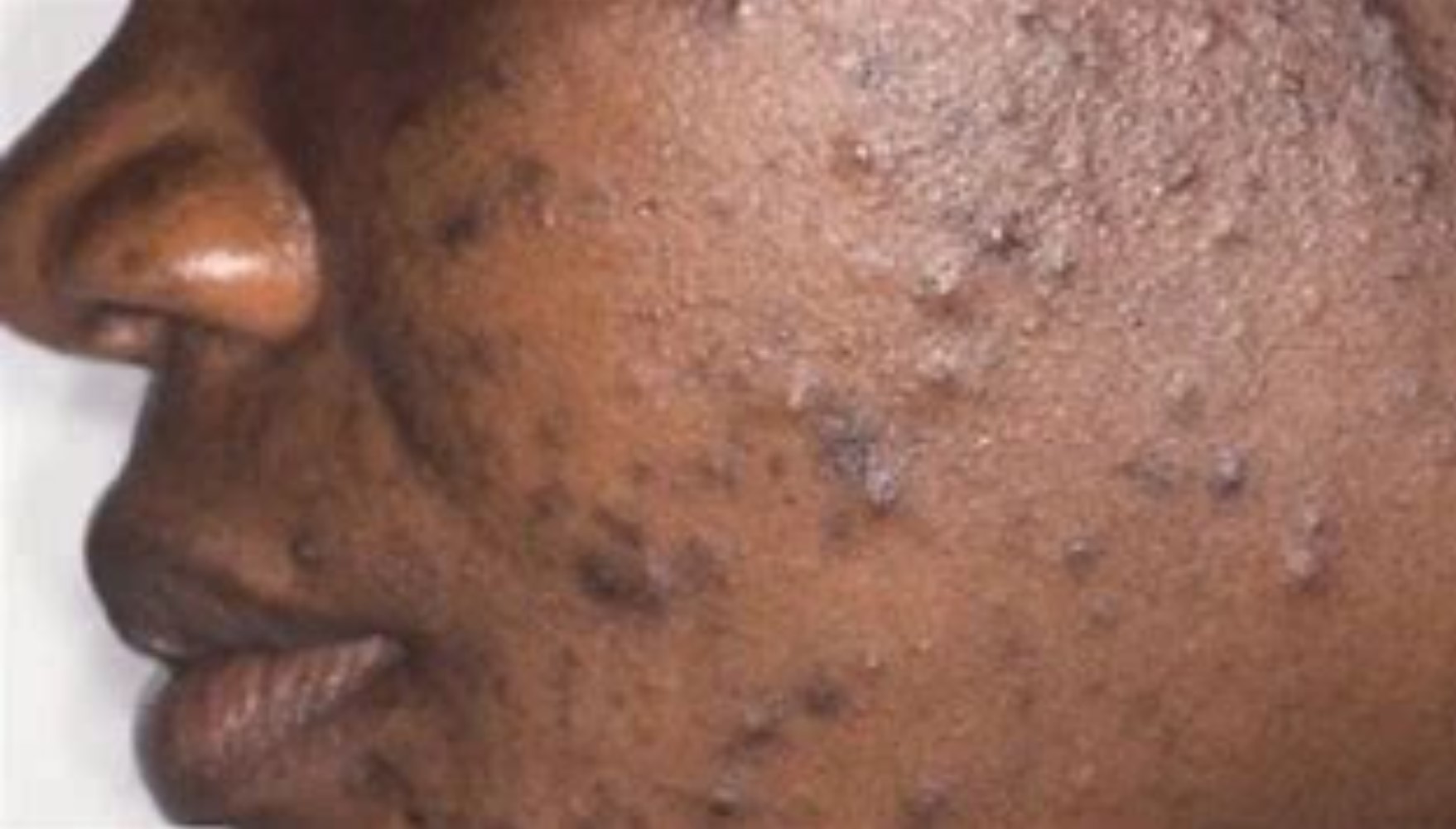
Black spots on the face, also known as dark spots or hyperpigmentation, can be caused by various factors, including sun exposure, hormonal changes, acne, and skin injuries. Here are some methods to help reduce or remove black spots on the face:
1. Sunscreen: One of the most important steps in preventing and treating dark spots is to protect your skin from the sun. Use a broad-spectrum sunscreen with SPF 30 or higher every day, even on cloudy days.
2. Topical Treatments:
Hydroquinone: This skin-lightening agent can help fade dark spots, but it should be used under the guidance of a dermatologist.
Retinoids: Prescription retinoids like tretinoin can promote skin cell turnover and help fade dark spots over time.
Vitamin C: Topical vitamin C serums can help brighten the skin and reduce the appearance of dark spots.
Alpha Hydroxy Acids (AHAs) and Beta Hydroxy Acids (BHAs): These chemical exfoliants can help improve skin texture and fade dark spots. Common ones include glycolic acid and salicylic acid.
Chemical Peels: Dermatologists can perform chemical peels, which involve the application of an acid solution to remove the top layer of skin, revealing fresh, even-toned skin underneath.
3. Microdermabrasion: This procedure involves using a machine to exfoliate the top layer of skin, which can help reduce the appearance of dark spots.
4. Laser Therapy: Various laser treatments, such as fractional laser and intense pulsed light (IPL), can target and break down pigmented areas, helping to lighten dark spots.
5. Dermabrasion: Dermabrasion involves removing the top layer of skin with a rotating brush or diamond-tipped instrument, which can improve the appearance of dark spots.
6. Home Remedies: Some people find that natural remedies like aloe vera, lemon juice, or apple cider vinegar may help reduce the appearance of dark spots. However, use caution when trying home remedies, as they may not work for everyone and could potentially irritate the skin.
7. Patience and Consistency: Treating dark spots can take time, so be patient and consistent with your chosen treatment method. It may take several weeks or even months to see noticeable improvements.
It’s important to consult with a dermatologist before starting any treatment, especially if you have concerns about your skin or if you’re considering more aggressive treatments like chemical peels or laser therapy. They can provide personalized recommendations based on your skin type and the specific cause of your dark spots. Additionally, remember to follow a good skincare routine and maintain overall skin health to prevent new dark spots from forming.