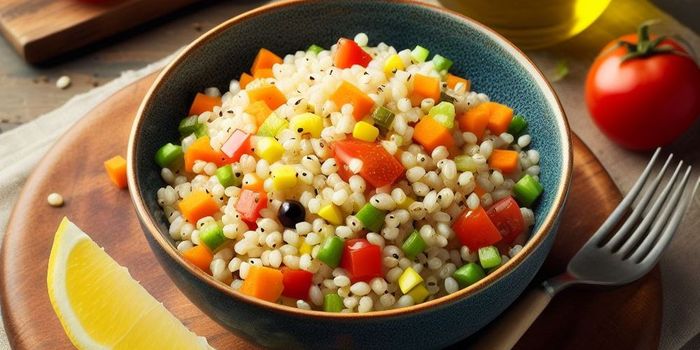
The cereal is a source of antioxidants, fiber and proteins, combats aging and obesity, protects the heart and kidneys. Barley grass improves sleep, is anti-aging and purifyingBarley is, nowadays, one of the most consumed cereals in the world. Thanks to the full-bodied and tasty grain, which lends itself to delicious recipes, but also to its important healthy properties. Let’s find out what the benefits of barley are, based, as always, on the most interesting and recent scientific research.
Barley, nutrients and propertiesBarley, scientific name Hordeum vulgare, is a precious source of fiber, especially beta glucans. Beta glucans, as shown by research, help keep cholesterol and blood sugar under control, thus reducing cardiovascular risk (Lukinac et al, Plants, 2022). Then, barley contains B vitamins and tocopherol, the latter having an anti-tumor action and useful for supporting the function of the immune system (Lukinac et al, Plants, 2022). Barley also consists of resistant starches, which participate in the health of the gut microbiota, and proteins in a percentage of up to 12% (Lukinac et al, Plants, 2022). Among all cereals, barley stands out for its high antioxidant power (Zeng et al, Oxid Med Cell Longev, 2020).The breakfast that protects the heartBarley can also be consumed in the form of flakes as breakfast cereals. Studies have observed that the daily consumption of 80 grams of barley and oat flakes, another source of beta glucans, protects the heart by helping to reduce triglyceride and bad cholesterol values in people with hypercholesterolemia (Reiners et al, Front Nutr, 2023). If a sprinkling of cinnamon is added to the barley then a synergy is created, with a more powerful action than the ingredients taken individually, useful for keeping blood sugar and cholesterol under control and regulating some hormones such as adiponectin. In particular, barley increases adiponectin, which in turn improves insulin sensitivity and glucose and fat metabolism (Sharwan et al, J Med Food, 2013).
Barley against obesity, diabetes and heart diseasesTocopherol, resistant starches, beta glucans and polyphenols, here are all the substances contained in barley that make this cereal an ally against obesity. Barley has been shown to prevent, in 12 months of intake, the accumulation of fat, especially abdominal fat, the most dangerous. Not only that, barley counteracts insulin resistance, helps keep postprandial blood sugar under control and increases the sense of satiety. In addition to this, barley helps regulate blood pressure and cholesterol and reduces the risk of fatty liver, even in the presence of obesity and diabetes (Zeng et al, Oxid Med Cell Longev, 2020).Barley for kidney healthBarley has been shown to improve kidney function, even in the presence of kidney disease (Zeng et al, Oxid Med Cell Longev, 2020).
More barley to live longerRegularly consuming barley helps prolong lifespan, delaying the aging process and improving movement capacity and memory. These effects were not observed with rice intake (Shimizu et al, Nutrients, 2019).Barley in the kitchenBarley lends itself to the preparation of various tasty recipes. You can use pearl barley, quicker to cook and very rich in beta glucans (Shimizu et al, Nutrients, 2019). In the Healthy Recipes section you can find ideas for serving barley, such as barley and legume soup, or barley and vegetable soup and the delicious orzotto with Belgian endive. It is also possible to use barley flour, to be inserted in small quantities into the bread dough or to make biscuits. Barley flour is rich in beta glucans and has an interesting prebiotic action on the gut microbiota, therefore capable of supporting good bacteria with an anti-inflammatory action. Not only that, the intake of barley in the form of flour also made it possible to improve immune defenses (Mio et al, Nutrients, 2021). Barley is considered safe and generally well tolerated, however it contains gluten and is therefore not suitable for those diagnosed with celiac disease. Furthermore, it is possible that in people predisposed to irritable bowel syndrome, the consumption of barley may cause bloating and some intestinal discomfort (Talati et al, Ann Fam Med, 2009).
Barley grassBarley grass is purchased in powder form and is obtained from the young shoots of the barley plant. Barley grass is one of the most interesting foods when it comes to nourishing cells and cleansing the body of toxins. Barley grass contains flavonoids, GABA, potassium, calcium and vitamins, chlorophyll and flavonoids and, thanks to these characteristics, it has been shown to counteract inflammation, cellular degeneration, aging processes and diabetes, to improve the quality sleep and cognitive function, as well as helping to regulate blood pressure (Zeng et al, Oxid Med Cell Longev, 2020). Not only that, barley grass combats tiredness, depression and constipation, relieves acne and dermatitis (Zeng et al, Oxid Med Cell Longev, 2018). Barley grass can be purchased in specialized shops and online, just pay attention that the product is of good quality. As mentioned, the product is sold in the form of a powder to be added to smoothies, yogurt or other recipes such as salad and even pesto according to the directions on the package. Barley grass is considered generally safe but in some predisposed people it can cause bloating, very rarely an allergic reaction.
Barley, properties, benefits, warnings and recipes of one of the healthiest and tastiest cereals

ByAllNigeria
Oct 4, 2023