
Nigeria’s annual inflation rate rose to 24.08 percent in July from 22.79 percent in the previous month, the National Bureau of Statistics (NBS) said on Tuesday.
The NBS said that year-on-year, the headline inflation rate was 4.44 percentage points higher compared to the rate recorded in July 2022, which was 19.64 percent.
“This shows that the headline inflation rate (year-over-year) increased in July 2023 compared to the same month in the previous year (ie July 2022),” he said.
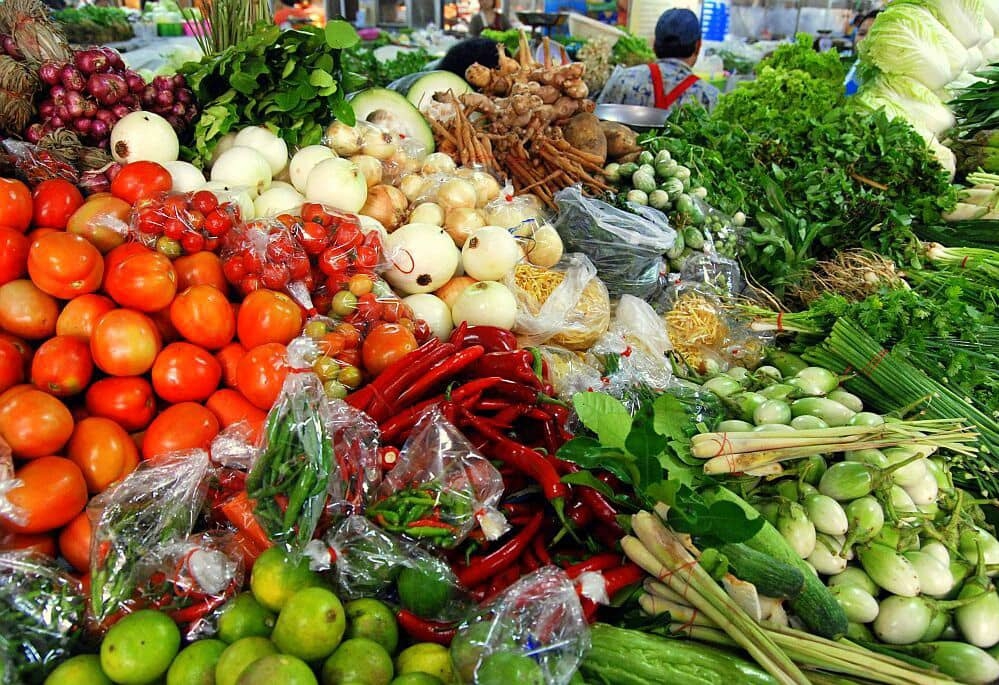
According to the report, the food inflation rate increased to 26.98 percent in July from 25.25 percent in June.
Although food prices have increased in Nigeria in recent years, the situation has deteriorated due to the impact of government policies, such as the removal of the gasoline subsidy, among others.
On May 29, during his inauguration, President Tinubu announced the elimination of the gasoline subsidy. This development has caused hardship for many Nigerians with a consequent increase in the prices of goods and services.
Apart from the removal of the subsidy, the Central Bank of Nigeria (CBN) also announced the unification of all segments of the foreign exchange (FX) market as part of efforts to create transparency in the markets and increase investor confidence.
The policy has been widely applauded as well-intentioned and necessary, but it has put additional pressure on the local currency and manufacturers, with a ripple effect on prices.
Inflation has remained high in Africa’s largest economy, prompting the main bank to raise interest rates to their highest levels in nearly two decades.
In July, the Central Bank of Nigeria (CBN) raised its benchmark interest rate to 18.75 percent.
The bank said that “increasing the interest rate has made a big difference in moderating the inflation rate.”
ALSO READ: UPDATED: Nigeria inflation hits 22.79% as food prices rise
He noted that the option of continuing to raise the policy rate, albeit moderately, also presented a strong alternative based on the expected injections of liquidity into the economy from recent efforts to unify the nation’s foreign exchange markets.
State of emergency
Mr. Tinubu had declared an immediate state of emergency for food insecurity in July to deal with rising food prices.
It also ordered that “all matters related to the availability and affordability of food and water, as essential items of subsistence, be brought within the purview of the National Security Council.”
More details later…
Read More Related News Here
Let hear it in the comment below if you do have an opinion on this; Nigerian inflation hits 24.08% as food prices rise